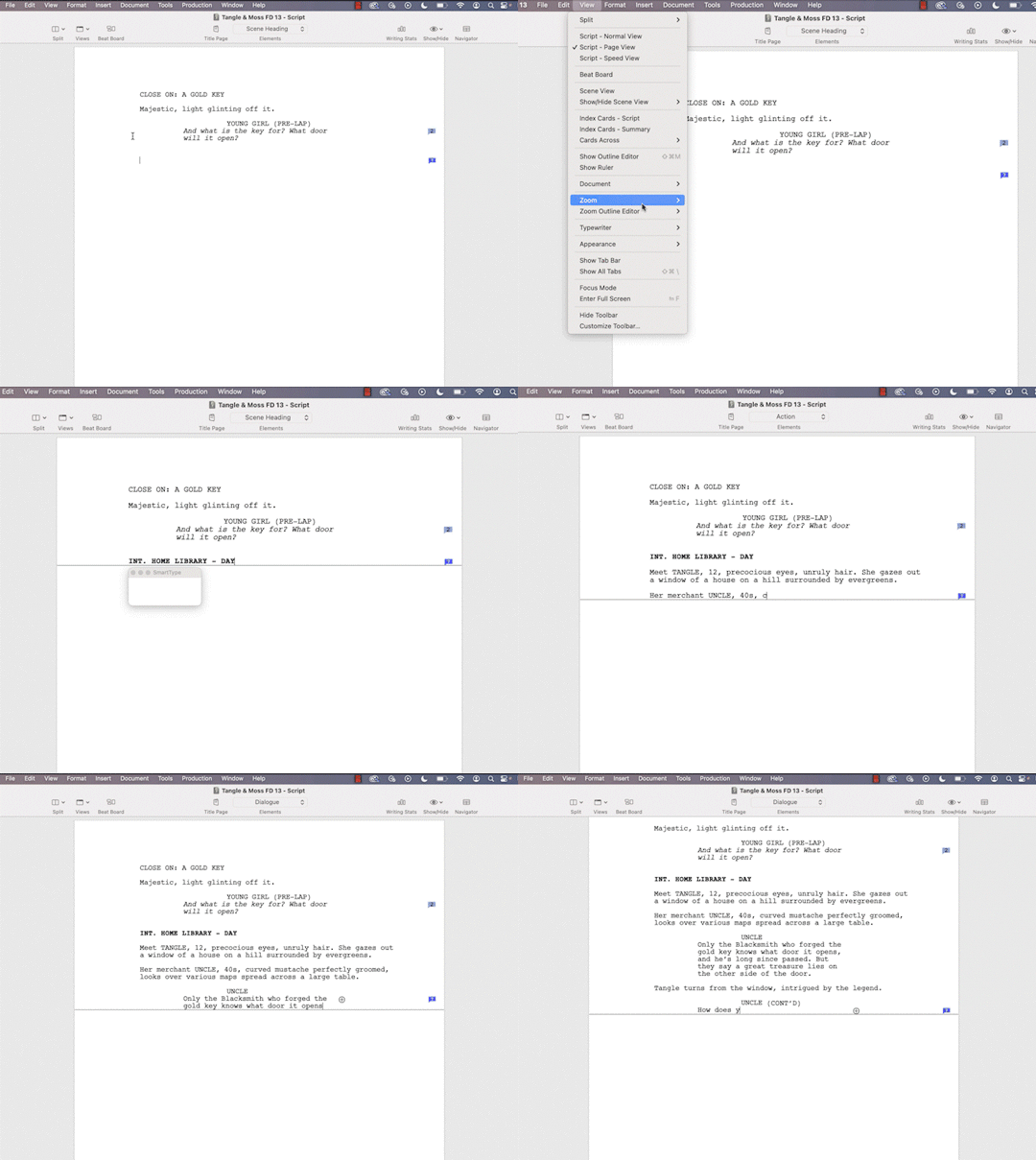
Screenwriting starts here.
The Industry Standard Screenwriting Software
Final Draft is the only screenwriting tool you need.
The number one-selling screenwriting software for over 30 years, Final Draft automatically formats your screenplay to entertainment industry standards so you can focus on what you do best - writing.
Turn your idea into a production-ready script for film & TV, theater, documentary and other forms of media. Final Draft has all the features you need to plan your story, collaborate with other writers, run production reports, and share your script with the world.
Used in
0%
of Hollywood productions
Available in
0
languages
Chosen by over
3 million +
writers
Used in
100
countries
Find the Final Draft product
that's right for you.
Final Draft Suite
Two powerful tools. One subscription.
Final Draft Cloud
Elegant, minimal online writing interface (perfect for beginners)
Secure cloud storage for all your script and project files
Enterprise-secure collaboration and sharing
Final Draft 13
The industry-standard screenwriting software for desktop
Low monthly or annual subscription
Final Draft 13
Best for personal, desktop application use.
The industry-standard screenwriting software
Used by 95% of film and TV professionals
Access production features and advanced screenwriting tools
Advanced outlining and story development tools
One-time purchase
Does not include Final Draft Cloud
Final Draft 13 for Students
Best for educational, desktop application use.
The industry-standard screenwriting software
Specially discounted price for students
Advanced outlining and story development tools
Requires student verification to purchase
Does not include Final Draft Cloud
Final Draft 13 Educators & Non-profits
Best for teachers, educators, and non-profits.
Teach using the industry's bestselling screenwriting software
Discounted price for educators
Technical support and educational resources available
Requires educational verification to purchase
Does not include Final Draft Cloud
Final Draft 13 for Studios & Production
Best for studios & production companies.
Multi-user licensing at a discounted rate
Perfect for writers room and production teams
Used by 95% of film and television industry
Technical support and upgrades included in cost
Does not include Final Draft Cloud


Plan your story
Use the Beat Board ™, Outline Editor and Structure Lines to plan your script. Brainstorm ideas, add visual elements, and explore your ideas all within your Final Draft script file.


Start writing
No more guessing when it comes to formatting because Final Draft does it all automatically. Get the words down, let Final Draft do the rest.


Revise your script
Stay in control of your script with tracked revisions, built-in commenting, and automatic version saving for complete peace of mind.


Export your screenplay
Once you've finished your script, you can export it as a PDF so it's ready to go out into the world.


Hit send
Your screenplay is now ready for its moment in the spotlight! Send to producers, directors, production companies and studios, safe in the knowledge that your script looks exactly the way it's meant to look.


Collaborate in real time
Final Draft offers fast, secure online collaboration that allows multiple writers to edit scripts and work on the Beat Board simultaneously, whether they're around the corner or around the world.


Customize your workspace
Tailor your toolbar to match your workflow, streamline your story with intuitive color-coding and multi-lane outlines, and stay in the zone with Midnight, Night, and Focus modes designed to minimize distractions and reduce eye strain.


Never lose a line of your script
Your work is saved automatically as you write, so you can focus on the story - not the stress.


Write Wherever, Whenever
Stay in the flow across Windows and Mac, and take your script with you using the Final Draft Go app for iPhone (sold separately). Your story is always within reach—whether you're at your desk or on the move.


Production-Ready for Scheduling & Budgeting
As the industry standard, Final Draft formats your script with precision, making it easy for film and television producers to break down, schedule, and budget a project. Generate detailed reports on characters, locations, props and much more.


Who uses Final Draft?
Final Draft is the preferred screenwriting software of beginners, professionals and award-winners. Here are just a few of our testimonials.
"It's a beautiful thing when you find a program or an app that does exactly what you want it to do, that feels intuitive in that way, and I've felt for years that Final Draft achieves that." - Shawn Levy (Deadpool & Wolverine, Free Guy, Night at the Museum)
"Final Draft makes it so much easier – and it's motivating when what you're working on looks like a script." - Sofia Coppola (Priscilla, Lost In Translation)
"I would not be alive today without Final Draft." - Jesse Eisenberg (A Real Pain, When You Finish Saving The World)
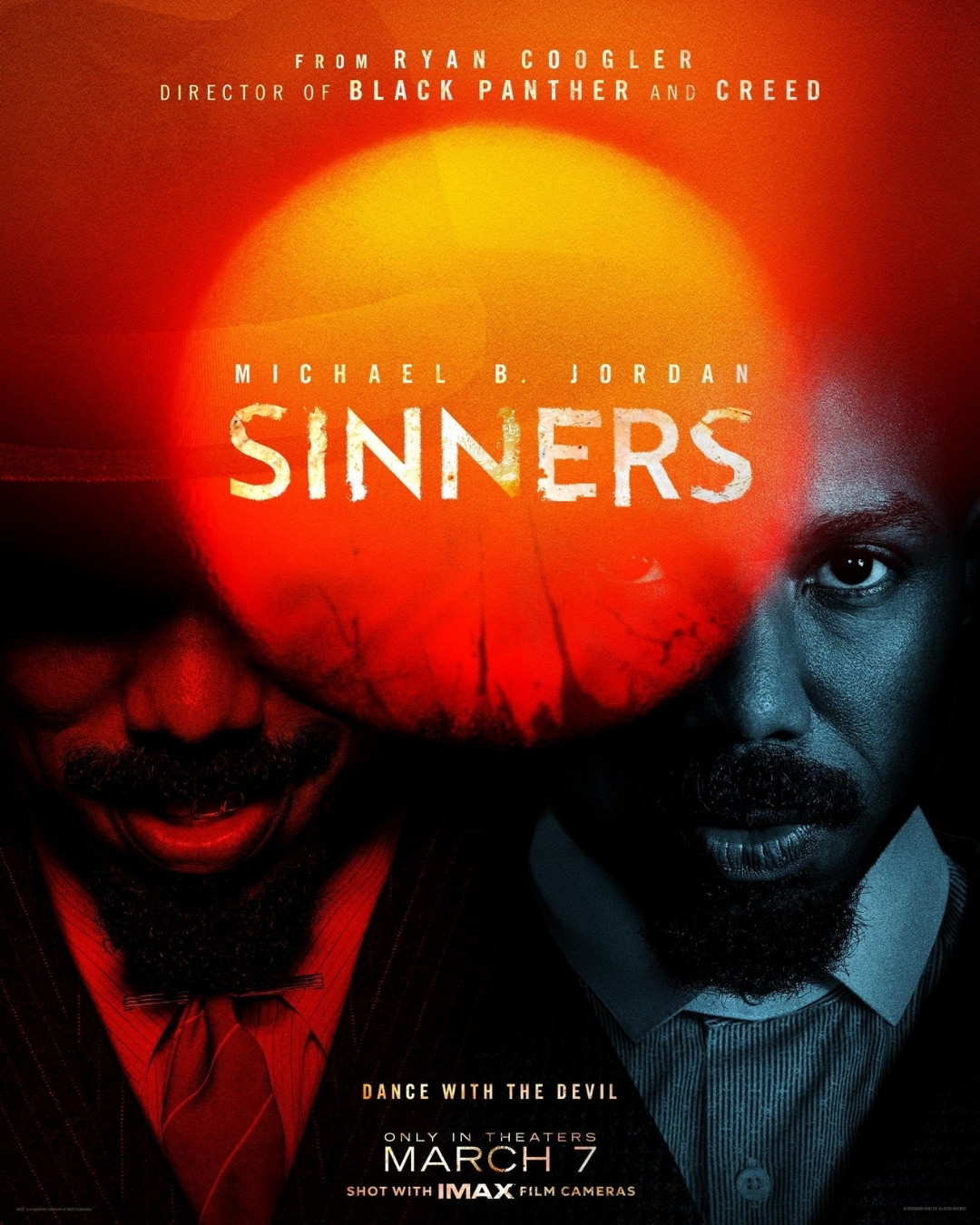

"[My wife] bought me a screenwriting software, Final Draft... I found something that I really loved."
Ryan Coogler (Sinners, Black Panther, Creed)
Find the Final Draft product
that's right for you.
Free Trial
Start your 30-day free trial!
- Keeping one for testing
New Users
Best for personal use
- Keeping one for testing
Upgrading Users
Best for current users of older Final Draft versions
- Keeping one for testing
Students
For individual teachers and students
- Keeping one for testing
Studios & Production
Right for studios & production companies
- Screenwriters
- Filmmakers
- Producers
- Graphic novelists Playwrights
- Those new to Final Draft
Educators & Non-profits
Right for schools & non-profits
- Screenwriters
- Filmmakers
- Producers
- Graphic novelists Playwrights
- Those new to Final Draft
The latest from Final Draft
What’s new
Interviews, industry news, podcasts, tips, tricks, and information you need to inspire your writing!

Write On: Writer/Director Benny Safdie - 'The Smashing Machine'
On today’s episode, we chat with Writer/Director/Actor/Editor, Benny Safdie, about his latest movie The Smashing Machine
10 Character Archetypes in Comedies
While watching movies and television shows of different genres, you’ll quickly notice that certain character archetypes in comedies work best for particular stories.
Unless the story is a blend of two or more genres, genre-specific character archetypes are used to implement the desired dynamics of whatever genre the story falls under—action, adventure, horror, thriller, drama, or comedy.
Comedies are all about getting a good laugh out of the audience throughout the story. Comedies need to be hilarious, with no exceptions. It's all about packing in those laughs and giving audiences that escapism to laugh at the otherwise difficult world. To accomplish this, the story needs to provide characters that create the highest levels of hilarity.
Top 10 Character Archetypes in Comedies
Let's break down the top 10 character archetypes found in comedies.
1. The straight person
This character is the voice of reason during chaos, often playing off more eccentric characters to create humorous situations. They are typically serious or normal, allowing the audience to relate to them amidst the absurdity.
Examples include:
Jason Bateman as Michael Bluth in Arrested Development: He is a prime example of the straight man amidst a family of eccentrics. Paul Rudd as Peter in I Love You, Man: He is the more serious or sane half of a new friend duo. Sandra Bullock as Margaret Tate in The Proposal: She’s initially the straight woman to Ryan Reynolds' character, finding herself in comedic situations that eventually help her to enjoy life more. Ben Stiller as Greg Focker in Meet the Parents: An easy-going boyfriend who wants to impress her complicated family, finding himself in increasingly absurd situations that put him in a bad light.2. The buffoon
Often clumsy or foolish, this character gets into ridiculous situations through their ineptitude, providing physical comedy and slapstick humor. They're lovable and well-meaning, but their actions lead to comedic disasters.
Examples Include:
Will Ferrell as Ron Burgundy in Anchorman: The Legend of Ron Burgundy: A clueless news anchor whose antics are legendary. Steve Carell as Michael Scott in The Office: His well-meaning but often misguided actions provide endless comedy. Chris Farley as Tommy Callahan in Tommy Boy: His character's bumbling yet lovable nature drives the comedy. Melissa McCarthy as Megan in Bridesmaids: She is the epitome of the buffoon in this comedy, bringing to life the hilariously over-the-top antics and physical comedy that define the archetype. Her performance is filled with memorable and laugh-out-loud moments highlighting her character's clumsy yet endearing nature, making Megan a standout comedic gem.3. The snob
The snob is one of the archetypes in comedies that is pompous and looks down on others, often finding themselves in situations where their supposed superiority is undermined, leading to humor through their deserved fate.
Examples include:
Rachel McAdams as Regina George in Mean Girls: The Queen Bee of High School, epitomizes the snob archetype. John Gielgud as Hobson in Arthur: Hobson, the butler to Dudley Moore's wealthy but wayward Arthur, embodies the snob archetype with a twist. Hobson exudes a superior attitude, often displaying a cutting wit and a penchant for dry, snobbish remarks. His snobbery is directed towards Arthur's lifestyle and choices, providing a comedic contrast to Arthur's childlike behavior. But Hobson is also a loving and caring parent figure to Arthur as well. Meryl Streep as Miranda Priestly in The Devil Wears Prada: She plays the ultimate snob in the fashion world.4. The eccentric
Wildly unconventional and quirky, the eccentric brings humor through their odd behaviors, strange inventions, or unconventional solutions to problems.
Examples include:
Mike Myers as Austin Powers in the Austin Powers series: A spy stuck in the past, with outlandish behavior and attire. Gene Wilder as Willy Wonka in Willy Wonka & the Chocolate Factory: He is mysterious and whimsical, leading children through his bizarre factory. Kate McKinnon as Weird Barbie in Barbie: She is a character who lives up to her name tenfold, embracing the eccentric archetype in all its glory.5. The trickster
Clever and mischievous, the trickster loves to play pranks and manipulate situations for their amusement, often causing chaos for both the characters and the plot.
Examples include:
Ryan Reynolds as Van Wilder in National Lampoon's Van Wilder: He is a college student who uses his wits to navigate school life and help others. Owen Wilson as John Beckwith and Vince Vaughn as Jeremy Grey in Wedding Crashers: A duo who trick their way into weddings to meet women, embodying the trickster role with charm and wit. Eddie Murphy as Axel Foley in the Beverly Hills Cop movies: The character of Axel exists within the genre-blend of action and comedy. He’s a character who uses his wits and mischievous skills to play pranks and manipulate the situation to his advantage.6. The slob
Unlike other archetypes in comedies, the slob doesn't conform to conventionally accepted standards of behavior or morals, leading to hilariously awkward situations, especially when contrasted with more refined settings or characters.
Examples include:
Zach Galifianakis as Alan Garner in The Hangover: His disheveled appearance and lack of social grace contribute to the film's hilarious antics. Seth Rogen as Ben Stone in Knocked Up: A quintessential slob whose lifestyle clashes humorously with more responsible straight characters. John Belushi as John "Bluto" Blutarsky in National Lampoon's Animal House: He is the epitome of a college slob, leading the charge in fraternity shenanigans.7. The cynic
Sarcastic and often pessimistic, the cynic delivers dry wit and humorous observations about the absurdity of the situations or the naiveté of other characters.
Examples include:
Bill Murray as Phil Connors in Groundhog Day: His sarcastic and cynical attitude gradually transforms throughout the film. Woody Allen as Alvy Singer in Annie Hall: Embodies the quintessential neurotic cynic with a sharp wit.8. The naïve optimist
Unfailingly positive and sometimes blissfully unaware of the reality around them, this character's optimistic viewpoint leads to humorous contrasts with more cynical or realistic characters.
Examples include:
Will Ferrell as Buddy the Elf in Elf: His character's boundless optimism and naivety bring humor and heart to the story. Steve Carell as Andy Stitzer in The 40-Year-Old Virgin: Exhibits an innocent and optimistic view of life, love, and sex. Amy Adams as Giselle in Enchanted: Though a fantasy film, her naive optimism clashes humorously with real-world New York. Margot Robbie as Barbie in Barbie: Stuck in a world of perfection and happiness, Barbie eventually becomes aware of the realities of the world outside of her comfortable domain.9. The underdog
Compared to other archetypes in comedies, the underdog is easy to root for. They're often at a disadvantage, but use wit, guile, or sheer determination to overcome obstacles, providing feel-good humor.
Examples include:
Michael J. Fox as Marty McFly in Back to the Future: He is an underdog in life who uses his wits and courage to navigate through time and change the legacy of his family. Jon Heder as Napoleon Dynamite in Napoleon Dynamite: An awkward teen who, against all odds, helps his friend win a school election. Adam Sandler as Happy Gilmore in Happy Gilmore: A failed hockey player who takes on golf to save his grandmother's house, embodying the underdog spirit.10. The fish out of water
This archetype is perhaps the most common in comedies. Why? Because the more conflict a protagonist in a comedy faces, the more chances there are to showcase the hilarity and humor in those difficult situations.
Thrown into a situation or environment foreign to them, this character's attempts to adapt and understand their new world lead to comedic misunderstandings and cultural faux pas.
Examples include:
Eddie Murphy as Prince Akeem in Coming to America: An African prince visiting Queens, New York, epitomizes the fish out of water concept as he hilariously navigates the complexities of American life and love while maintaining his royal demeanor. Reese Witherspoon as Elle Woods in Legally Blonde: A pink, sparkling fish out of water story to Harvard Law School, proving her intelligence and capability to all who underestimate her based on her appearance. Tom Hanks as Josh Baskin in Big: After wishing to be "big," Josh wakes up as an adult, navigating the adult world with the mind of a child, making him the ultimate fish out of water in both professional and personal situations.---
One of the primary reasons comedy is one of the most successful genres in film and television is because archetypes in comedies can be mixed, matched, or subverted to create fresh and engaging dynamics. When paired with fun and intriguing concepts—as well as creative and engaging characters—these 10 comedic archetypes keep the laughs flowing.
Ken Miyamoto has worked in the film industry for nearly two decades, most notably as a studio liaison for Sony Studios and then as a script reader and story analyst for Sony Pictures.
He has many studio meetings under his belt as a produced screenwriter, meeting with the likes of Sony, Dreamworks, Universal, Disney, Warner Brothers, as well as many production and management companies. He has had a previous development deal with Lionsgate, as well as multiple writing assignments, including the produced miniseries Blackout, starring Anne Heche, Sean Patrick Flanery, Billy Zane, James Brolin, Haylie Duff, Brian Bloom, Eric La Salle, and Bruce Boxleitner, the feature thriller Hunter’s Creed, and many Lifetime thrillers. Follow Ken on Twitter @KenMovies and Instagram @KenMovies76
10 Character Archetypes in Film Noir Movies
Character archetypes exist for a reason: audiences are familiar with them. Whether they come from cinematic stories on the big screen or the small screen, literature, or the stage, character archetypes are universal templates that help drive the story, plot, and overall narrative in any genre—including film noir.
When it comes to familiar character archetypes found within certain genres of stories, they can easily become overly familiar tropes. However, the best stories use those archetypes to subvert the audience's expectations.
With that in mind, here we briefly explore 10 character archetypes found in film noir movies. But before we do that, what the heck is film noir?
Understanding film noir
Film noir, a term swirling with debate among scholars, cinephiles, and critics, encapsulates a cinematic paradox—neither strictly a subgenre, style or mere academic label. Its nuanced definition sparks endless debate, often leading to disagreements on whether films—both classic and contemporary (neo-noir)—fit under its expansive umbrella.
The essence of film noir is imbued with a visual style defined by stark lighting contrasts and deep shadows, often portraying night scenes that enhance its gloomy atmosphere. These settings serve as backdrops for stories steeped in pessimism and fatalism, where protagonists navigate a world filled with moral ambiguity.
Film noir’s core elements are crime, investigation, and physical/psychological violence. This cinematic style, born out of post-World War II Hollywood, continues to influence modern filmmaking, maintaining its relevance and proving its enduring appeal in exploring the darker sides of human nature and urban existence.
10 character archetypes found in film noir
Film noir and neo-noir genres, celebrated for their intricate plots, moral ambiguity, and distinctive visual style, offer a rich canvas for a variety of enduring character archetypes. Each of these characters brings depth and intrigue to the narrative, often driving the complex storylines typical of the genres.
Here, we explore several key archetypes, their roles within these stories, and the typical arcs they undergo.
1. The hard-boiled detective
The hard-boiled detective is perhaps the most iconic figure in film noir. This archetype is characterized by cynicism and toughness. They usually find themselves navigating a morally corrupt world and are often portrayed as deeply flawed yet fundamentally moral.
The detective starts as a jaded individual, disenchanted with the world. However, the detective is always compelled to find the truth about any mystery—or behind the metaphorical mask of any deceitful character. The detective's journey often leads to personal revelations and, occasionally, a slight softening of the detective's hard edges through encounters that test their moral compass.
Examples:
Sam Spade (Humphrey Bogart) in The Maltese Falcon Philip Marlowe (Humphrey Bogart) in The Big Sleep Ed Exley (Guy Pearce) in L.A. Confidential2. The femme fatale
The femme fatale is central to many film noir narratives, especially in the key entries of the subgenre from the late 1940s through the late 1950s. The traditional femme fatale used her charm and mystery to manipulate others. She was smart, alluring, and dangerous, often hiding her true intentions.
She usually started as a mysterious and seductive figure, eventually revealed to be manipulating events for her benefit—and her character arc often ended tragically, symbolizing the fatal consequences of unchecked ambition and deception.
Due to the welcome shift in how women are portrayed in contemporary cinema, the femme fatale has fallen off the cinematic map a bit, although versions of them still appear in contemporary neo-noir films.
Examples:
Kathie Moffat (Jane Greer) in Out of the Past Brigid O'Shaughnessy (Mary Astor) in The Maltese Falcon Catherine Tramell (Sharon Stone) in Basic Instinct3. The corrupt official
This archetype represents the perversion of authority—police officers, politicians, or businessmen corrupted by power and greed. They often act as antagonists or formidable obstacles to the protagonist, typically experiencing a rise in power and influence, followed by a dramatic fall.
This arc underscores the theme of corruption inherent in film noir, highlighting the destructive nature of greed.
Examples:
Captain Dudley Smith (James Cromwell) in L.A. Confidential Captain Hank Quinlan (Orson Welles) in Touch of Evil4. The innocent bystander
Often caught in the wrong place at the wrong time, the innocent bystander provides a contrast to the moral ambiguity of other characters. They are the every-man or every-woman who suffers because of the machinations of others.
Their character arc usually involves a transformation from naivete to a more hardened, realistic view of the world, usually because of the betrayal or violence they witness or endure.
Examples:
Stella (Thelma Ritter) in Rear Window Joe Gillis (William Holden) in Sunset Boulevard Ed Crane (Billy Bob Thornton) in The Man Who Wasn't There5. The fallen hero
The fallen hero starts with noble intentions but is gradually worn down by the harsh realities that film noir stories reside in. They typically begin with a strong moral purpose but encounter circumstances or make decisions that lead to their moral decline.
This character reflects the disillusionment with traditional values seen in film noir, serving as a cautionary tale about the dangers of moral compromise.
Examples:
Frank Chambers (John Garfield) in The Postman Always Rings Twice Joe Morse (John Garfield) in Force of Evil Dix Handley (Sterling Hayden) in The Asphalt Jungle6. The anti-hero
Blurring the lines between protagonist and antagonist, the anti-hero engages in questionable behaviors, but for purposes that could be justified. They are complex and deeply flawed, usually starting with dubious morals but evolving into someone who makes significant sacrifices for the greater good, offering redemption or at least some semblance of justice.
Examples:
Jeff Bailey (Robert Mitchum) in Out of the Past Harry Fabian (Richard Widmark) in Night and the City Vincent (Tom Cruise) in Collateral7. Powerful millionaire or politician
The powerful millionaire or politician wields significant influence and power. They are usually revealed as the puppet masters behind major plot developments and typically face exposure and downfall. While other archetypes are considered antagonists to the protagonist of the story, these are the types of characters that are truly the villains by the end of the story.
Examples:
Noah Cross (John Huston) in Chinatown Raymond Deagan (Dennis Haysbert) in Far From Heaven8. Gangsters
Gangsters embody the criminal underworld elements. Their unethical ambitions and violent methods contribute to the darker aspects of the narrative. You’ll usually see these characters rise to power quickly, followed by a dramatic and violent decline.
As supporting characters, they typically do not undergo major character arcs but serve their purpose by providing the protagonist with multiple conflicts to navigate on their journey.
Examples:
Cody Jarrett (James Cagney) in White Heat Johnny Rocco (Edward G. Robinson) in Key Largo Vincent (John Travolta) in Pulp Fiction9. Hired killer
A cold, efficient character whose lethal skills drive critical plot twists. They may grapple with issues of identity, morality, or existential dread, sometimes (but not always) seeking redemption.
The hired killer may hide within the shadows of the film noir urban landscape, or they may be front and center either as the central thug for the powerful villain or, sometimes, as the anti-hero protagonist of the story.
Examples:
Vincent (Jamie Foxx) in Collateral Alain Charnier (Fernando Rey) in The French Connection Arthur Bishop (Charles Bronson) in The Mechanic10. Dirty Cop
The dirty cop archetype represents the moral decay within the police force, using their position for personal gain. Their character arc usually unravels as their corrupt actions catch up to them.
The dirty cop can be a supporting character who hinders the protagonist, one who helps the protagonist despite their moral issues or can be the actual protagonist dealing with their demons.
Examples:
Bud White (Russell Crowe) in L.A. Confidential Alonzo Harris (Denzel Washington) in Training Day---
These are the types of characters that inhabit a film noir story. You can mix and match. You can leave out some and focus on others. Each archetype can be used as a protagonist, antagonist, villain, anti-hero, anti-villain, and supporting character. Use these general definitions to serve your film noir story or to subvert the expectations of the audience who is used to the common tropes of film noir.
Ken Miyamoto has worked in the film industry for nearly two decades, most notably as a studio liaison for Sony Studios and then as a script reader and story analyst for Sony Pictures.
He has many studio meetings under his belt as a produced screenwriter, meeting with the likes of Sony, Dreamworks, Universal, Disney, Warner Brothers, as well as many production and management companies. He has had a previous development deal with Lionsgate, as well as multiple writing assignments, including the produced miniseries Blackout, starring Anne Heche, Sean Patrick Flanery, Billy Zane, James Brolin, Haylie Duff, Brian Bloom, Eric La Salle, and Bruce Boxleitner, the feature thriller Hunter’s Creed, and many Lifetime thrillers. Follow Ken on Twitter @KenMovies and Instagram @KenMovies76
10 Character Archetypes in Science Fiction
Character archetypes are essential tools not only for narrative stories but for the writers who write them. Archetypes, especially in genres like science fiction, work as templates for writers, allowing them to utilize particular familiar tropes—and sometimes cliches—to offer readers or audiences something familiar to grasp as the story unfolds.
The great thing about archetypes is that you can use them not only to drive the story, plot, and narrative but also to subvert the expectations of readers and audiences by breaking the mold and taking the story—and their respective common character archetypes—in unique and exciting directions.
With that in mind, we will explore ten character archetypes in sci-fi movies. But before we get into the archetypes within the genre, let’s dive into what the sci-fic genre entails.
What Is Science Fiction?
Science fiction is best defined as stories that involve speculative concepts and narratives centered around theoretical science and technology of the future.
In movies, sci-fi can be bold and significant like you would find in 2001: A Space Odyssey...
... or sci-fi can be minimalist, small, and character-driven like Her.
The genre allows writers to center their concepts and stories around speculative science and technology of possible futures, creating engaging, unique, and wondrous worlds and the characters that inhabit them.
Whether it’s the fatalist nature of The Matrix, the terror of The Terminator, or the exploration of Star Trek, science fiction has always captured the imaginations of everyone, which makes it one of the most in-demand genres in literature, television, and cinema.
Now, let’s explore what character archetypes these strange new worlds.
10 Science Fiction Character Archetypes
Here, we explore ten archetypes found in science fiction, detailing their roles and typical character arcs, each with examples from iconic science fiction films.
1. The Chosen One
Often seen as the destined savior, the chosen one's journey is central to the film’s plot. This character archetype usually begins their journey unaware of their importance.
As the plot unfolds, they grow into their power and ultimately fulfill their destiny. Either they have a secret power hidden within them, or they have knowledge, perspective, or abilities necessary to bring change to the new world they now inhabit.
Examples Included:
Neo (Keanu Reeves) in The Matrix Luke Skywalker (Mark Hamill) in Star Wars: Episode IV - A New Hope Ender Wiggin (Asa Butterfield) in Ender’s Game2. The Mentor
This archetype guides the protagonist, helping them to harness their abilities and understand their journey. Their belief in the protagonist often leads to them sacrificing themselves for the greater good, facilitating the protagonist's growth.
Examples Included:
Obi-Wan Kenobi (Alec Guinness) in Star Wars: Episode IV - A New Hope Morpheus (Laurence Fishburne) in The Matrix Professor Charles Xavier (Sir Patrick Stewart) in X-Men3. The Mad Scientist
The mad scientist is a very common character archetype in science fiction. They are driven by curiosity and ambition—sometimes for the better and sometimes for the worse—often creating or discovering something that threatens the world.
Their character arc usually starts with them being obsessed and unchecked until they must face the consequences of their actions, often leading to downfall or redemption.
Examples Include:
Dr. Emmett Brown (Christopher Lloyd) in Back to the Future Dr. Eldon Tyrell (Joe Turkel) in Blade Runner Jon Hammond (Richard Attenborough) in Jurassic Park4. The Artificial Intelligence
Artificial intelligence (AI) is not only the most common character archetype in science fiction—it is also growing in interest at an exponential rate due to the sci-fi of yesteryear slowly becoming a stark reality in today’s headlines.
In sci-fi stories, AI challenges what it means to be human, often evolving beyond its programming as it gains self-awareness, confronts its creator, and decides its place in the universe. AI can be a friend, foe, or destroyer.
Examples Include:
HAL 9000 (voiced by Douglas Rain) in 2001: A Space Odyssey David (Michael Fassbender) in Prometheus Samantha (voiced by Scarlett Johansson) in Her5. The Space Explorer
The space explorer is another prevalent character archetype in science fiction. When humankind eventually traveled toward the stars in the 1960s, science fiction slowly explored how far humankind could travel in the vastness of the cosmos. The space explorer does just that, venturing into the unknown and driving the exploration and expansion of human frontiers.
Space explorers face the unknown, overcome existential threats, return changed, or not return at all.
Examples Include:
Captain James T. Kirk (William Shatner) in Star Trek Roy McBride (Brad Pitt) in Ad Astra Dr. Ryan Stone (Sandra Bullock) in Gravity6. The Survivor
A sub-genre of sci-fi is the post-apocalyptic story, where something terrible has happened to the world, turning it into an example of the apocalypse many fear will occur.
The survivor navigates post-apocalyptic landscapes or hostile environments, focusing on human resilience as they overcome initial despair or denial, find new strength, and often rebuild a semblance of community. And sometimes they just, well, survive.
Examples Include:
Max Rockatansky (Mel Gibson) in Mad Max Taylor (Charlton Heston) in Planet of the Apes Katniss Everdeen (Jennifer Lawrence) in The Hunger Gameshttps://youtu.be/IHKmKJb4UcE?si=-gAqDRb1gcCfNB1-&t=101
7. The Alien
They explore or confront humanity, with outcomes ranging from peaceful integration to hostile conflict. This character archetype can be the protagonist, villain, mentor, friend, or messenger.
Examples Include:
Klaatu (Michael Rennie) in The Day the Earth Stood Still Superman/Clark Kent (Christopher Reeve) in Superman E.T. in E.T. the Extra -Terrestrial8. The Tyrant
The tyrant is usually the villain or antagonist of science fiction stories—especially in another sci-fi sub-genre, the dystopian future. They seek control over others, often using superior technology or powers.
They rise to power through oppression, face rebellion, and are ultimately overthrown unless they learn to redeem themselves.
Examples Include:
Emperor Palpatine (Ian McDiarmid) in Star Wars: Episode VI - Return of the Jedi Jean-Baptiste Emanuel Zorg (Gary Oldman) in The Fifth Element Supreme Chancellor Adam Sutler (John Hurt) in V for Vendetta9. The Rebel
The rebel fights against the oppressive systems of the tyrant, embodying the spirit of resistance. You’ll often find rebels starting out as skeptics or victims, but they later become leaders and often sacrifice their ordinary existence for not just their own freedom, but for the freedom of others.
Examples Include:
Malcolm "Mal" Reynolds (Nathan Fillion) in Firefly Katniss Everdeen (Jennifer Lawrence) in The Hunger Games Wade Watts (Tye Sheridan) in Ready Player One10. The Time Traveler
Since time travel is a key trope in science fiction stories, those stories need a time traveler who navigates through time, exploring the consequences of altering past or future events. By the end, they often learn the importance of the natural timeline, attempting to right wrongs without further disruption.
Examples Include:
Marty McFly (Michael J. Fox) in Back to the Future Dr. Sam Beckett (Scott Bakula) and, later, Dr. Ben Song (Raymond Lee) in Quantum Leap Barry Allen/The Flash (Grant Gustin) in The Flash---
These science fiction character archetypes shape the vast universe of the genre, each bringing unique contributions that challenge and expand our understanding of the future, human nature, and the cosmos. Through their journeys, these characters engage us in profound narratives that question the future, and our place within it.
Ken Miyamoto has worked in the film industry for nearly two decades, most notably as a studio liaison for Sony Studios and then as a script reader and story analyst for Sony Pictures. He has many studio meetings under his belt as a produced screenwriter, meeting with the likes of Sony, Dreamworks, Universal, Disney, Warner Brothers, as well as many production and management companies. He has had a previous development deal with Lionsgate, as well as multiple writing assignments, including the produced miniseries Blackout, starring Anne Heche, Sean Patrick Flanery, Billy Zane, James Brolin, Haylie Duff, Brian Bloom, Eric La Salle, and Bruce Boxleitner, the feature thriller Hunter’s Creed, and many Lifetime thrillers. Follow Ken on Twitter @KenMovies and Instagram @KenMovies76
10 Sidekick Character Archetypes in Movies and TV
Almost every character found in films, TV shows, and books stems from traditional—and sometimes ancient—archetypal foundations. These foundations serve as broad templates for characters that inhabit a wide variety of narrative stories. Character archetypes provide a recognizable essence of character that quickly connects with viewers and readers. These archetypes work toward the development of the main characters (protagonists, antagonists, and villains) and the sidekick characters throughout the story.
Incorporating archetypes into character design helps to influence character growth, story development, and plot progression. Writers transform these archetypal figures into complex characters by embedding flaws and dilemmas.
The beauty of using archetypes—and the often clichéd conventions seen in stock characters—is their flexibility in being mixed and matched to forge distinct personalities. These unique blends set characters apart, enriching them with intriguing combinations that captivate audiences and readers alike.
Sidekick Characters Use Different Character Archetypes
Sidekicks are quintessential characters in any genre of movies and television. While they are often seen as the protagonist’s companions, most play crucial roles in character and story arcs within the narrative.
They serve multiple purposes, depending on the type of sidekick they are. Most of them complement and enhance the protagonist's journey. They do this by:
Complementing the main character's traits. Filling in gaps where the protagonist is lacking. Providing emotional, moral, or physical support.Sidekicks come in various narrative shapes and sizes, each serving a particular purpose within the narrative. Through these diverse archetypes, sidekicks enrich the story, making the protagonist's journey more engaging and multifaceted. They can also undergo significant character development, becoming more endearing to the audience and contributing more depth to the story.
Top 10 Sidekick Character Archetypes in Movies
With that in mind, here we break down 10 different types of sidekick character archetypes found in movies.
1. The Loyal Companion
The loyal companion is the epitome of steadfastness and reliability, standing by the hero's side through thick and thin. This archetype offers unwavering support through emotional stability, physical backup, or strategic advice. The key aspect of a loyal companion is that their loyalty is not just a trait—it’s their defining characteristic. This makes them indispensable to the protagonist's journey.
Whether facing insurmountable odds or offering a shoulder to lean on, the loyal companion's presence ensures the hero never truly walks alone, reinforcing themes of friendship and trust.
Examples include:
Samwise Gamgee in The Lord of the Rings: His unwavering loyalty and courage help Frodo Baggins in his quest to destroy the One Ring. Chewbacca in Star Wars: A loyal friend and co-pilot to Han Solo, providing strength and reliability throughout their adventures. Goose in Top Gun: As Maverick's trusted navigator and friend, Goose offers emotional support and camaraderie, grounding the hotshot pilot.2. The Comic Relief
The comic relief sidekick balances the tension and drama of the narrative with a bit of necessary levity. Through witty one-liners, slapstick comedy, or quirky behavior, this archetype lightens the atmosphere, providing the audience and characters with breaks from the intensity of their adventures.
They are also sometimes more than just a source of laughter. Their comic relief can reveal insightful truths and help to humanize the journey, making the story more relatable and emotionally engaging for the audience.
Examples include:
Dory in Finding Nemo: Her forgetfulness and optimistic outlook bring humor and light-heartedness to the search for Nemo. Donkey in the Shrek series: Constantly cracking jokes and getting into goofy situations, Donkey lightens the mood and challenges Shrek's grumpiness. Olaf in Frozen: The snowman adds whimsical and innocent humor to the journey with his dreams of experiencing summer.3. The Tech Wizard
In a world—or story—where technology can be the key to success or survival, the tech wizard sidekick is invaluable. This archetype has expertise in gadgets, hacking, and all things tech, using their skills to solve problems, gather information, or provide the heroes with cutting-edge tools. This could also apply to worlds that use magic instead of technology.
Whether it’s technology or magic, their abilities can lead to innovative solutions to seemingly insurmountable obstacles.
Examples include:
Q in the James Bond series: Provides Bond with cutting-edge gadgets essential for his survival and mission success. Lucius Fox in The Dark Knight series: The genius behind Batman's technological arsenal, enabling his fight against crime. Ned Leeds in the Spider-Man series: Helps Peter Parker with his tech needs and serves as his guy in the chair.4. The Muscle
The muscle is the physical powerhouse of the team. They are usually always ready to engage in combat and protect allies at a moment's notice. This archetype's strength is pivotal in confrontations, but their role extends beyond mere brawn.
Despite their tough exterior, many in this archetype have a tender side, offering depth to their character beyond their physical capabilities.
Examples include:
Groot in Guardians of the Galaxy: His strength and ability to regenerate play a key role in battling enemies and protecting the team. Sloth in The Goonies: Uses his surprising strength to help the kids navigate dangers and stand up to the Fratellis. Fezzik in The Princess Bride: His immense physical power is matched only by his loyalty and gentle nature, aiding in the quest to rescue Princess Buttercup.5. The Moral Compass
The moral compass sidekick can be crucial for keeping the protagonist aligned with their core values and goals. This archetype provides ethical guidance, helping navigate complex moral dilemmas and reminding the hero of the greater good. Their wisdom and insight—big or small—are beacons of light in dark times, ensuring that the protagonist remains true to themselves and their cause.
Examples include:
Jiminy Cricket in Pinocchio: Jiminy Cricket acts as Pinocchio's conscience, guiding him towards the right choices with sage advice. Dr. Leonard McCoy in Star Trek: McCoy consistently served as Kirk's moral guide, intervening whenever he sensed Kirk veering towards unethical actions.6. The Protector
Dedicated and selfless, the protector sidekick is committed to keeping the protagonist safe. Their role is defined by their willingness to face danger head-on to do so.
The protector's presence highlights themes of sacrifice and loyalty within the story. Their protective instincts usually stem from a protection pact that links them specifically to the protagonist.
Examples include:
T-800 in Terminator 2: Judgment Day: Reconfigured to protect John Connor, the T-800 becomes a formidable guardian against other terminators. Chewbacca in Star Wars: Again, Chewbacca's loyalty and strength make him a fierce protector of his friends, especially in times of danger. Azeem in Robin Hood: Prince of Thieves: Azeem fulfills his vow of protection by offering his combat prowess and wise counsel, becoming an indispensable shield and ally to Robin Hood in his fight against tyranny.7. The Innocent
The innocent sidekick brings a sense of purity, hope, and resilience that can change the course of the story. A younger character—or one less jaded by the world—can inspire, motivate, or alter the protagonist's path. This character’s strength lies in their ability to remind others of what's at stake, the importance of faith, and the power of innocence in a corrupt world.
Examples include:
Newt in Aliens: Finding her brings out Ripley's motherly instincts, adding emotional depth to the narrative. Boo in Monsters Inc.: Her innocence and laughter have the power to change the monster world, influencing Sully and Mike's views on humanity. Gertie in E.T. the Extra-Terrestrial: Her interactions with E.T. highlight the pure and accepting nature of childhood.8. The Skeptic
The skeptic sidekick provides a necessary counterbalance to the protagonist's optimism or impulsiveness. With their questioning attitude and cautious outlook, they inject a dose of realism into the narrative, challenging plans and assumptions by pushing the hero to consider alternative perspectives and potential consequences.
While they may seem pessimistic, their skepticism is rooted in a desire to avoid unnecessary risks, showcasing the value of critical thinking and prudence.
Examples include:
Dr. John Watson in Sherlock Holmes: Watson often serves as the skeptical counterpart to Holmes' deductive genius, questioning his friend's conclusions and offering more conventional explanations. Han Solo in Star Wars: Han Solo initial skepticism about the Force and the Rebellion adds depth to Luke Skywalker’s character arc and his own character's journey toward becoming a hero.9. The Voice of Logic
Calm, collected, and wise, the voice of logic sidekick offers logical advice and strategic guidance. In the heat of the moment, when emotions run high, this archetype helps the protagonist think clearly and make rational decisions while focusing on practicality and foresight.
In contrast, the moral compass sidekick provides ethical guidance and moral support, encouraging the protagonists to stay true to their principles and make the right choices based on values and integrity.
Examples include:
Alfred Pennyworth in the Batman series: Alfred provides Bruce Wayne with grounded advice and moral support, guiding him through his darkest moments. Hermione Granger in the Harry Potter series: Hermione's intellect and caution often save the day, providing a rational counterpoint to Harry's and Ron's more impulsive actions. Spock in Star Trek: Spock's logic and detachment from emotion serve as a guiding force for the often emotionally driven Captain Kirk.10. The Non-Human
The non-human sidekick archetype explores the bond between species, showcasing the diverse forms friendship and loyalty can take. Whether robots, animals, aliens, or mythical creatures, these sidekicks offer unique perspectives, abilities, and insights that human characters cannot. They can highlight themes of empathy, acceptance, and the universal nature of connection.
This archetype often embodies the story's magical or futuristic elements, adding wonder and expanding the narrative's imaginative scope.
Examples include:
Dog in The Road Warrior: Dog exemplifies the loyal companion archetype, offering unwavering support and companionship to Max in the desolate post-apocalyptic landscape. Toothless in How to Train Your Dragon: His bond with Hiccup challenges the village's views on dragons and changes their world. R2-D2 in Star Wars: His bravery and technical skills prove invaluable, saving the heroes on several occasions.---
As you can see, many of these sidekick examples can be attributed to more than one of these sidekick archetypes. Chewbacca isn’t just a loyal companion. He is also a protector, owing a life debt to Han Solo. The same could be said for the T-800. He starts as a protector (and could even be considered the muscle) but becomes a loyal companion. And we all know that Dory isn’t just comic relief.
Character archetypes allow storytellers the opportunity for more depth in their secondary characters. If a sidekick falls into multiple sidekick archetype categories, the depth of character and story in movies only gets better.
Ken Miyamoto has worked in the film industry for nearly two decades, most notably as a studio liaison for Sony Studios and then as a script reader and story analyst for Sony Pictures.
He has many studio meetings under his belt as a produced screenwriter, meeting with the likes of Sony, Dreamworks, Universal, Disney, Warner Brothers, as well as many production and management companies. He has had a previous development deal with Lionsgate, as well as multiple writing assignments, including the produced miniseries Blackout, starring Anne Heche, Sean Patrick Flanery, Billy Zane, James Brolin, Haylie Duff, Brian Bloom, Eric La Salle, and Bruce Boxleitner, the feature thriller Hunter’s Creed, and many Lifetime thrillers. Follow Ken on Twitter @KenMovies and Instagram @KenMovies76
10 Steps to Developing Your TV Show Bible
The TV Bible.
Even typing the words is daunting. Saying them aloud is downright terrifying. But TV bibles shouldn’t induce the fear or anxiety they usually do. In fact, putting together a TV bible can actually be quite fun.
Developing a bible for your TV series is essentially just developing the series itself, albeit in a structured, print-it-out-and-make-extra-copies-before-the-meeting kind of way.
Follow these 10 steps and you’ll have everything that needs to be included in your TV bible.
__________________________________________________________________
1. PRACTICE YOUR PITCH
TV bibles are made during the process of creating an original show. They help writers and producers get everything about the show laid out in a structure that can (and sometimes does) serve as a reference tool. But bibles also typically accompany pilot scripts when producers attempt to sell shows, meaning that your bible is basically a pitch deck.
In order to create your show bible, you have to start with the basics. This is the “questionnaire” part of your show’s DNA, and it’s vitally important because producers are going to want to know this information right off the bat.
Make sure that you know the following things about your show:
Genre (i.e. Comedy or Drama) Run-Time (typically half- or hour-long) Format / Platform (i.e. Is this more of a network show or a cable show? Will there or won’t there be commercial breaks?) LoglineConveying your show’s basic information in the bible doesn’t need to take the form of a bullet-point list — in fact, I recommend that it doesn’t — but given that the basics are exactly what you’ll need to sell your show to executives and audiences alike, you better know it like the back of your hand.
2. ESTABLISH TONE, STYLE & VOICE
Every television show has its own unique tone and style. No two shows are the same, although they can be similar. Parks and Rec is very much like both The Office and The Good Place, but each show is distinctly different. And, like every show, every writer (or showrunner) has his or her own unique voice.
These qualities appear in the finished product — the series itself — but are also ingrained in every part of the process that it takes to create the show. That includes the bible.
Is your show darkly cynical like You’re The Worst? Is it full of color and fast-talkers like The Marvelous Mrs. Maisel, or is it grungy and dark like Ozark? Maybe it’s emotional like This Is Us, or toes the line between laugh-out-loud funny and cringingly tragic like Barry. Maybe it’s an epic fantasy adventure set in a medieval world like Game of Thrones.
As a writer and creator, you should have a good idea of what tone and style you want your show to have, as well as what makes your voice unique. When you’re putting together your series bible, make sure that the tone, style, and voice of your show are expressed in some way.
Check out 21 Series Bibles Every TV Screenwriter Should Read to see creative ways these writer/creators evoked the unique tone, style, and voice of their shows in their respective bibles.
3. PAINT THE BIG PICTURE
“What’s it about?”
That’s the question you’re going to be faced with answering over and over and over again when pitching your show. What people really want to know is: “What’s the story?” They’re asking for the big picture. The elevator pitch. The broad strokes. An overview.
This part of developing your show, and your bible, is all about succinctness. Can you explain what your show is about — what the basic story is — in as few words as possible? (Ideally, less than one page.)
It’s tough. In an overview you need to explain the plot, introduce the characters, convey theme, establish locations, and tease future stories. Developing that information is like the old iceberg analogy — there’s a lot more under the surface than appears above water. You need to brainstorm, free-write, sketch, doodle, google, list — whatever method suits you best — and then write it all up in a way that’s easy and engaging to read.
The key to writing this overview is to only include the most essential information. Keep in mind that what’s important to you (as the creator, architect, writer extraordinaire) is not necessarily important enough to include in an overview of your series. Don’t worry, that doesn’t mean your super-important-can’t-exclude detail won’t be in the series at all — it just means it isn’t in your TV bible overview.
4. PLOT OUT SEASON ONE
Now that you’ve dealt with the big, broad picture, it’s time to get granular and dig into the details. What happens in season one? More importantly, what happens in the very first episode? How does it all begin?
You’ve probably got a good idea in your head how the first season — or at least the first few episodes — of your show will play out. That’s great! But now you have to get it all on paper.
TV bibles must must must include some kind of story breakdown for season one. My recommendation is to brainstorm and play around with plot elements and story devices until you have a better idea of what happens in your first season. Then take a good hard look at your show as a whole and decide what the best way to convey your story is. If your series is very character-based, maybe break down story by each character’s individual arc. If your series has a killer first eight episodes, maybe breakdown by episode. Whatever feels best for your individual show is what you should do!
5. WRITE THE PILOT
The TV industry is all about pilots, and the TV bible and pilot script go hand-in-hand. One document is a road-map for the series; the other is the gas tank that starts the engine.
So once you’ve figured out the big picture and plotted season one (or maybe before you’ve done that — the order is up to you), get started on writing that pilot. If you don’t include a pilot script in or with your TV bible, make sure you at least have a detailed treatment of the first episode. It’s important to show executives and producers that your show works well on the page, as well as in the conceptual realm of the bible.
6. INTRODUCE THE CHARACTERS
Characters are the life-blood of TV shows. You better have ‘em, you better know ‘em, and they better be really well developed.
For your TV bible, as well as for the development of your TV show as a whole, you should know the basic characteristics, backstory, current situation, and any defining qualities or important details. You’ll also want to include the character’s arc over the course of the first season (at least).
Before anything goes in your bible, you need to flesh those characters out so they’re more than just caricatures — they need to be living, breathing, incredible people we want to spend time with for hours on end until Netflix asks if we’re still watching.
Answer personality questionnaires, free-write their personal history, imagine what their social media feeds would look like, make lists of their values, opinions, and beliefs — whatever you need to do to know your characters inside and out is fine.
Again, characters are icebergs. You’ll know 99 percent more information about them than what you will include in your bible, but your show will ultimately be better for it!
7. GO ON LOCATION
Where does your show take place?
Like most, you probably gave a one-city answer like “Los Angeles” or “Seattle.” That’s the big picture answer, and that’s fine — you should definitely have that answer in your back pocket, as well as an answer to the question of when your show takes place.
But, in a different, more realistic sense, you should also know the granular answer. This means thinking about where your show will be filmed.
Is it going to be completely on soundstages and studio backlots? In front of a live audience like One Day At A Time? Are you filming entirely on location? Or maybe half and half, like Shameless? How much green- or blue-screen are you going to need for CGI dragons and monsters?
Try to sketch some of these details out. Have a good idea of the primary and rotating sets you’ll need and which locations you might want to use. Including a list or two will show that you’ve given thought to a crucial aspect of production, and will help producers get your material in the right hands (if you have a lot of green screen and CGI dragons, they’re probably not heading to the big five networks, that’s for sure).
8. DEVELOP THE THEMES
Theme = universality. It’s the reason people really want to watch your show — the deeper meaning behind it all. It’s what they can relate to, what gets them hooked, and what keeps them coming back for more. Every show has a theme, and most have many.
The thing about theme is that you shouldn’t overthink it. There’s no need to go all English major serious and write about the theme of Love or Nature Versus Nurture in a way that no one can understand. All you have to do is dig into the heart of your show and find out what’s there — then explain that somewhere in your bible.
Theme is also tricky because it can be expressed (and thought of) in many different ways. “Friends are the family you choose,” “rooting for the underdog,” and even the traditional English-class “good versus evil” are all totally acceptable themes. No matter the form, what you need to know is: how theme appears in your show, how it affects your characters, and what you’re ultimately trying to say about your thematic topic as the creator of the story.
9. SKETCH OUT EPISODE IDEAS
Once you know what happens in your show — ideally after you’ve written the pilot script — you’ll be revving to go with new episode ideas.
The trick here is to not get too far ahead of yourself. You don’t want to be so concrete in your ideas for future episodes — if your show is bought, picked up, and ordered to series, there will be a whole writer’s room of staff members eager to jump in and figure out what happens next.
For the TV bible, include a bullet-point list or short descriptions (and I mean short!) of some episodes you envision. When sketching your ideas out, try to stick with sticky situations or interesting moral dilemmas you can see the characters in. Maybe include an example or two of a standalone or holiday episode, but don’t go overboard.
10. TEASE FUTURE SEASONS
Every interested executive will want to know if your series has “legs,” which is just a fancy way of saying that they want to know if your concept can churn out 100 or more episodes and possibly be part of a Netflix/Hulu/ Amazon bidding war for streaming rights in 10 years. They want to know if it will last.
Now, if you’re the creator of the next “Lost,” you might not know where your show is going at all. In some cases, it’s okay to leave future seasons out of the bible entirely.
But if you do have even the tiniest little slice of an idea of where things are going, go ahead and lead the way.
________________________________________________________
Once you’ve gone through these 10 development steps, you should be ready to put together your TV bible. There’s no one way to structure or format your bible.
The best thing to do is whatever feels best for your particular show. If the characters are most important, put them front and center. If you feel really strongly about your pilot script, include it up top. If you have a unique quote or thematic statement of some kind that will set the tone for your show, start with that. For those who are really unsure, it’s usually a good idea to go from big to small — start with an overview, then go into your season one breakdown, character descriptions, locations, episode ideas, and so on and so forth.
Finally, always remember that putting together your bible should be just as fun and exciting as creating any other part of your show. It’s an extension of your series. If you’re excited by it, that will show on the page.
Britton Perelman is a writer and storyteller based in Los Angeles, California. When not buried in a book or failing spectacularly at cooking herself a meal, she’s probably talking someone’s ear off about the last thing she watched. She loves vintage typewriters, the Cincinnati Reds, and her dog, Indy. Find more of her work on her website, or follow her on Instagram.
10 Villain Archetypes Found in Movies and TV
You can track most villain character archetypes in literature, theater, film, and television to archetypal blueprints that have been around for hundreds of years, representing the core dynamics of typical figures within a narrative story. These archetypes serve the story in any way that is needed:
To add more conflict To add comic relief and levity To serve the protagonist(s) in different ways To help the protagonist reach their goals To hinder the protagonist from reaching their goals To relay necessary knowledge and informationCharacters are necessary figures who drive the story and plot. And those characters need to have characteristics that accomplish that. This is where archetypes come into play. Writers can take age-old character archetypes and mold them into whatever type of character they want and need.
Despite any modifications and molding done to these characters, the core templates are still there and is familiar to readers and audiences, which helps the story to flow and allows writers the ability to also subvert expectations in creative ways by changing certain elements of whichever archetype is used for a character.
To many writers, villain archetypes are the most fun archetypes to play with.
Top 10 Villain Archetypes Found in Movies
With that in mind, here we present 10 villain archetypes you find in movies.
1. The Mastermind
This villain archetype is one of superior intellect and strategic prowess. The mastermind orchestrates complex schemes, and they are usually several steps ahead of the protagonist and any law or military enforcement.
Masterminds can be characterized by their calm demeanor, meticulous planning, and sometimes grandiose vision that justifies their actions. They challenge the protagonist not through brute force but through a battle of wits, forcing the hero to outsmart their opponent in a high-stakes game of cat and mouse.
Examples include:
Hans Gruber in Die Hard: His meticulous planning and calm demeanor make him a quintessential mastermind. Dr. Evil in the Austin Powers series: He parodies the archetype with his over-the-top schemes and desire for world domination. Lex Luthor in the Superman films: His genius-level intellect and strategic use of technology and resources pit him against Superman.2. The Henchman
The henchman is loyal to the main villain and carries out orders without question. They usually pose a significant physical threat to the protagonist. Their dedication and competence make them a noteworthy obstacle, embodying the will and intentions of their superior.
The lengths they go to achieve their objectives at the behest of their boss—and sometimes at the behest of their ulterior motives (see Karl from Die Hard)—creates the ultimate struggle for the protagonist to overcome.
Examples include:
Boba Fett in Star Wars: The Empire Strikes Back: A formidable bounty hunter serving the Empire and Jabba the Hutt, showcasing loyalty and cunning skill. Clarence Boddiker in RoboCop: His role as the muscle for the main antagonist highlights the henchman's brutality and loyalty. Karl in Die Hard: His dedication to avenging his brother and completing Gruber’s mission exemplifies his determination and unstoppable drive.3. The Nemesis
This archetype represents a villain who is a mirror image of the protagonist, matching or surpassing them in skill, intellect, or power. The nemesis serves as the ultimate test for the hero, forcing them to confront their limits and often their darkness.
The rivalry can be deeply personal. They raise the stakes and create a compelling cat-and-mouse game that pushes both characters to their limits and reveals their true natures.
Examples include:
Neil McCauley in Heat: A career criminal whose professionalism and code of honor make him a worthy adversary to the detective pursuing him. General Zod in Superman II and Man of Steel: His similar powers and military expertise make him a formidable opponent to Superman, challenging him on every level. Saruman in The Lord of the Rings trilogy: His vast magical prowess and deep knowledge, once aligned with Gandalf's, become a dark mirror to Gandalf's own, making him a quintessential example of the Nemesis.4. The Authority Figure
The authority figure is an antagonist who exploits their position of power to exert control and instill fear. Characterized by their rigid adherence to rules or their version of order, the authority figure is usually obsessed with maintaining or expanding their authority at any cost.
This type of villain challenges the protagonist by presenting institutional or systemic obstacles, making the personal battle one against the larger structures that the authority figure represents. Their downfall often comes through a failure to adapt or underestimating the will of those they seek to control.
Examples include:
Principal Ed Rooney in Ferris Bueller's Day Off: His obsession with catching Ferris Bueller epitomizes this archetype, demonstrating a personal vendetta cloaked in the guise of upholding school policy. Bill Lumbergh in Office Space: Through his passive-aggressive management style and unceasing demands for TPS reports, Lumbergh represents the subtle tyranny in the workplace, leveraging corporate power to control and demoralize employees. Gny. Sgt. Hartman in Full Metal Jacket: His brutal and dehumanizing training methods enforce conformity and obedience through fear and intimidation within the military system.5. The Beast
The beast represents primal fear and the horror of the unknown. It is a non-human antagonist that forces characters to confront their mortality and the fragility of human existence. This archetype taps into deep-seated fears of what lies beyond human understanding, whether it be a creature from the depths of the ocean or an alien from outer space.
The beast is especially frightening because they act on instinct, making it an unpredictable and unstoppable force that does not negotiate or show mercy. Its presence in a story often leads to a survival narrative, where the protagonists must use their wits and courage to overcome a seemingly insurmountable threat.
Examples include:
The Shark in Jaws: It represents nature's raw, unthinking menace, instilling fear of the ocean's unseen dangers. The Xenomorph in Alien: Embodies the terror of the unknown and the horrific nature of the perfect predator. The Tyrannosaurus rex in Jurassic Park: The lethal predator previously lost to time but is now back to take on humans for the first time.
6. The Bully
The bully thrives on intimidation and seeks to assert dominance through physical strength or psychological manipulation. They often target those perceived as weaker, using fear to control or belittle them. The bully's actions are motivated by a desire for power or to mask their insecurities, making their encounters with the protagonist a battle of wills.
The protagonist's challenge is to overcome the fear instilled by the bully, often leading to a pivotal moment of growth or realization that undermines the bully's power.
Examples include:
Biff Tannen in Back to the Future: His use of physical strength and belittlement to intimidate others makes him the quintessential bully. Regina George in Mean Girls: She has mastered social manipulation to dominate the social hierarchies of her high school, illustrating a psychological form of bullying. Draco Malfoy in the Harry Potter series: He exemplifies the cinematic bully through his relentless taunting and elitist attitudes towards Harry and his friends.7. The Criminal
Operating outside the law, the criminal engages in activities ranging from theft to terrorism, driven by motives such as profit, revenge, or ideology.
This archetype is versatile and capable of acting alone or as part of a larger criminal organization. They are cunning and resourceful, which makes them a formidable opponent for the protagonist, who must outthink or outmaneuver them to restore peace or justice.
Examples include:
Neil McCauley in Heat: As a professional bank robber, McCauley epitomizes the criminal archetype through his strategic mastery of heists and a strict code of ethics that prioritizes the crew's survival and success, embodying the cold professionalism of a career criminal. Vincent in Collateral: A hitman who showcases efficiency, ruthlessness, and a philosophical outlook towards his profession, making him a fascinating study of the complexities within criminal morality. Alonzo Harris in Training Day: A corrupt narcotics detective who uses his authority and knowledge of the streets to manipulate law enforcement and the criminal world for his gain, showcasing the blurred lines between cop and criminal.8. The Disturbed
The disturbed archetype is driven by psychological issues that manifest in dangerous or violent behaviors, making them unpredictable and deeply unsettling. Their actions stem from a disturbed psyche, often a result of trauma, obsession, or a disconnection from reality.
The disturbed villain forces the protagonist to confront physical danger, the complexities of the human mind, and the darkness that can lie within. Their portrayal in stories challenges the audience to consider the fine line between sanity and madness.
Examples include:
Norman Bates in Psycho: His deeply disturbed psyche, rooted in a troubled past, drives him to murder. Annie Wilkes in Misery: Her fandom becomes an obsession taken to violent extremes, showcasing the dangers of psychological instability. John Doe in Se7en: A serial killer with meticulously planned crimes embodies the extreme end of criminal psychosis.9. The Machine
The machine symbolizes the fears and ethical dilemmas associated with technology and artificial intelligence. They can be a villain that questions humanity's reliance on and control over technology.
Whether it is a rogue AI or a relentless android, the machine challenges the protagonist with its logic, efficiency, and lack of empathy, representing the potential consequences of human innovation run amok. This archetype explores themes of creation and creator responsibility, forcing characters and audiences alike to confront the moral implications of artificial life and the definition of consciousness—something that is very topical today.
Examples include:
HAL 9000 in 2001: A Space Odyssey: Its malfunction and subsequent betrayal raise questions about AI's role and reliability. The Terminator in The Terminator: An unstoppable machine sent from the future, embodying the fear of technology turned against us. Agent Smith in The Matrix: The evolving digital intelligence, along with its growing opposition to humanity, serves as a stark reminder of the perils associated with AI overreach.10. Mother Nature
Unlike other archetypes, Mother Nature personifies the unpredictable and often destructive power of the natural world. This villain is not evil by intention but represents the chaos and danger inherent in natural disasters or the untamed wilderness.
Stories featuring Mother Nature as the antagonist often focus on survival, human resilience, and the humbling reminder of humanity's place within the larger ecosystem. This archetype challenges protagonists to overcome seemingly insurmountable odds, fostering themes of cooperation, respect for nature, and the strength of the human spirit.
Examples include:
The comet in Don't Look Up: Symbolizes the inevitable and catastrophic consequences of environmental neglect and society's refusal to acknowledge and act upon clear scientific evidence, ultimately challenging humanity's priorities and survival instincts. The iceberg in Titanic: A chilling reminder of humanity's vulnerability against the unpredictable and immense power of the natural world, despite technological advancements. The tsunami in The Impossible: A powerful and unexpected event highlights the challenges people face in surviving, their ability to bounce back, and the joy of reuniting with loved ones amid the turmoil of a natural disaster.Bonus Archetype: The Personification of Evil
This archetype represents evil in its most pure and unadulterated form, often seeking to spread darkness, chaos, or suffering for its own sake. The personification of evil is characterized by their malevolent intentions, supernatural powers, or a profound absence of morality, making them a formidable force of darkness in the narrative.
Their presence in a story raises the stakes to existential levels, challenging the protagonist to confront the very essence of good and evil. This dynamic serves as a powerful symbol of the eternal battle between light and darkness, good and evil.
Examples include:
Darth Vader in the original Star Wars: Before his redemption in the sequels and humanization in the prequels, he represents the might and terror of the dark side. The Wicked Witch of the West in The Wizard of Oz: Her pursuit of Dorothy and her friends is driven by malice and true wickedness. Lord Voldemort in the Harry Potter series: He represents the darkness of ambition and the desire for power at any cost, making him the epitome of evil in the wizarding world.The Variety of Movie Villain Archetypes
The diversity of movie villain character archetypes plays a crucial role in cinematic storytelling, offering audiences a rich palette of complex antagonists who challenge protagonists in unique ways. This variety is essential because it allows different movies to explore different themes, genres, and story structures. Villain archetypes creates different types of conflicts for the protagonist to overcome.
Some villains handle the overarching conflict the protagonist faces throughout the whole story. Other villains make them face certain obstacles along the way.The dynamics of a story can shift dramatically based on the villain archetype the protagonist is facing, influencing the tone, pacing, and even the setting of the narrative. The different dynamics of villain archetypes shape the external conflict and the internal conflict of the protagonist, forcing them to confront their fears, biases, or weaknesses.
---
As you can see, movie villain archetypes come in many different cinematic shapes and sizes. They are the key to creating as much conflict within a movie as possible—a conflict that is required to move the story forward and keep audiences engaged.
These are our top picks for villain archetypes used in movies. What ones are your favorites? Which ones we didn’t include would you put on your top ten list?
Ken Miyamoto has worked in the film industry for nearly two decades, most notably as a studio liaison for Sony Studios and then as a script reader and story analyst for Sony Pictures.
He has many studio meetings under his belt as a produced screenwriter, meeting with the likes of Sony, Dreamworks, Universal, Disney, Warner Brothers, as well as many production and management companies. He has had a previous development deal with Lionsgate, as well as multiple writing assignments, including the produced miniseries Blackout, starring Anne Heche, Sean Patrick Flanery, Billy Zane, James Brolin, Haylie Duff, Brian Bloom, Eric La Salle, and Bruce Boxleitner, the feature thriller Hunter’s Creed, and many Lifetime thrillers. Follow Ken on Twitter @KenMovies and Instagram @KenMovies76