Screenwriting starts here.
The Industry Standard Screenwriting Software
Final Draft is the only screenwriting tool you need.
The number one-selling screenwriting software for over 30 years, Final Draft automatically formats your screenplay to entertainment industry standards so you can focus on what you do best - writing.
Turn your idea into a production-ready script for film & TV, theater, documentary and other forms of media. Final Draft has all the features you need to plan your story, collaborate with other writers, run production reports, and share your script with the world.
Used in
0%
of Hollywood productions
Available in
0
languages
Chosen by over
3 million +
writers
Used in
100
countries
Find the Final Draft product
that's right for you.
Final Draft Suite
Two powerful tools. One subscription.
Final Draft Cloud
Elegant, minimal online writing interface (perfect for beginners)
Secure cloud storage for all your script and project files
Enterprise-secure collaboration and sharing
Final Draft 13
The industry-standard screenwriting software for desktop
Low monthly or annual subscription
Final Draft 13
Best for personal, desktop application use.
The industry-standard screenwriting software
Used by 95% of film and TV professionals
Access production features and advanced screenwriting tools
Advanced outlining and story development tools
One-time purchase
Does not include Final Draft Cloud
Final Draft 13 for Students
Best for educational, desktop application use.
The industry-standard screenwriting software
Specially discounted price for students
Advanced outlining and story development tools
Requires student verification to purchase
Does not include Final Draft Cloud
Final Draft 13 Educators & Non-profits
Best for teachers, educators, and non-profits.
Teach using the industry's bestselling screenwriting software
Discounted price for educators
Technical support and educational resources available
Requires educational verification to purchase
Does not include Final Draft Cloud
Final Draft 13 for Studios & Production
Best for studios & production companies.
Multi-user licensing at a discounted rate
Perfect for writers room and production teams
Used by 95% of film and television industry
Technical support and upgrades included in cost
Does not include Final Draft Cloud


Plan your story
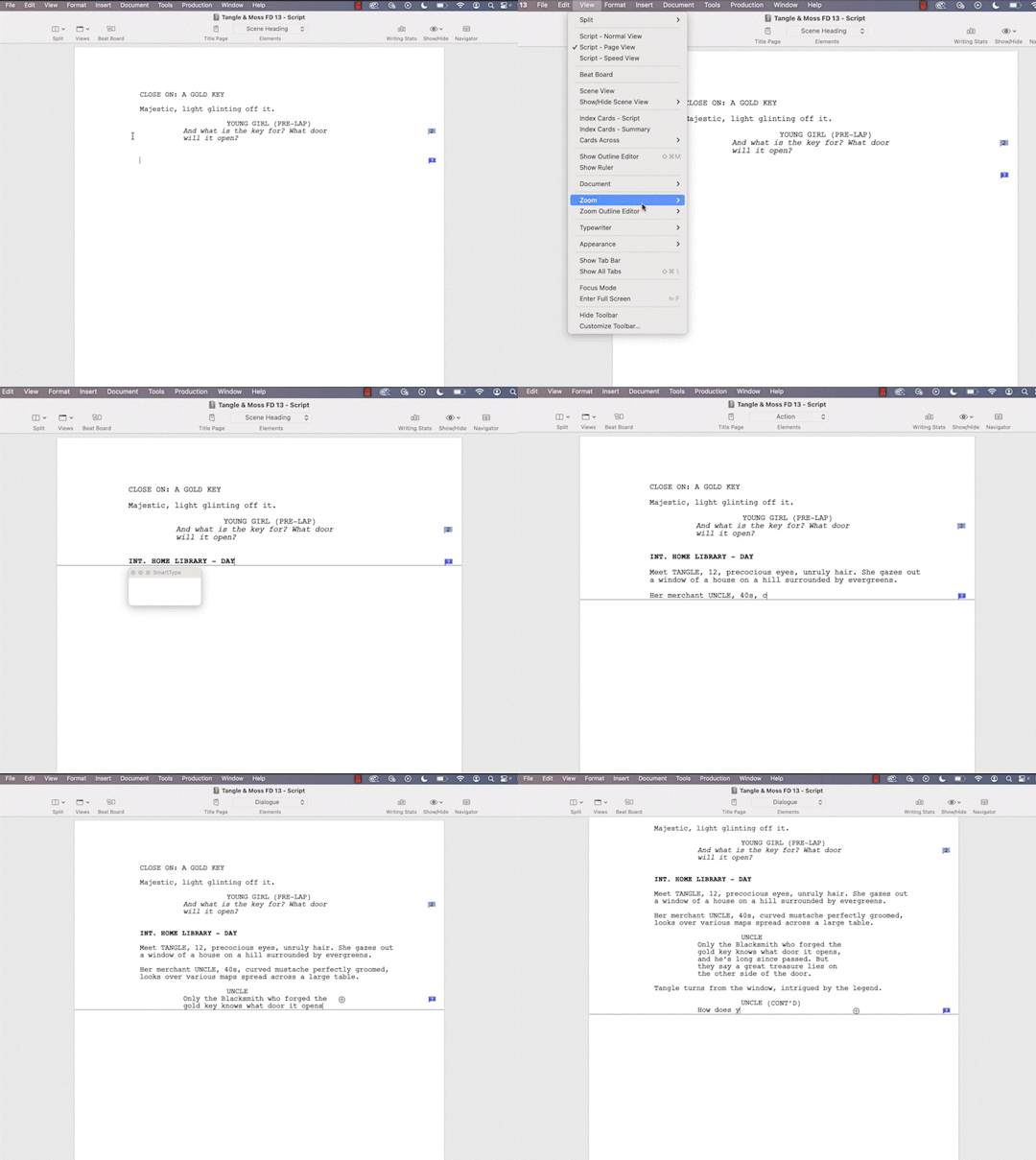
Use the Beat Board ™, Outline Editor and Structure Lines to plan your script. Brainstorm ideas, add visual elements, and explore your ideas all within your Final Draft script file.


Start writing
No more guessing when it comes to formatting because Final Draft does it all automatically. Get the words down, let Final Draft do the rest.


Revise your script
Stay in control of your script with tracked revisions, built-in commenting, and automatic version saving for complete peace of mind.


Export your screenplay
Once you've finished your script, you can export it as a PDF so it's ready to go out into the world.


Hit send
Your screenplay is now ready for its moment in the spotlight! Send to producers, directors, production companies and studios, safe in the knowledge that your script looks exactly the way it's meant to look.


Collaborate in real time
Final Draft offers fast, secure online collaboration that allows multiple writers to edit scripts and work on the Beat Board simultaneously, whether they're around the corner or around the world.


Customize your workspace
Tailor your toolbar to match your workflow, streamline your story with intuitive color-coding and multi-lane outlines, and stay in the zone with Midnight, Night, and Focus modes designed to minimize distractions and reduce eye strain.


Never lose a line of your script
Your work is saved automatically as you write, so you can focus on the story - not the stress.


Write Wherever, Whenever
Stay in the flow across Windows and Mac, and take your script with you using the Final Draft Go app for iPhone (sold separately). Your story is always within reach—whether you're at your desk or on the move.


Production-Ready for Scheduling & Budgeting
As the industry standard, Final Draft formats your script with precision, making it easy for film and television producers to break down, schedule, and budget a project. Generate detailed reports on characters, locations, props and much more.


Who uses Final Draft?
Final Draft is the preferred screenwriting software of beginners, professionals and award-winners. Here are just a few of our testimonials.
"It's a beautiful thing when you find a program or an app that does exactly what you want it to do, that feels intuitive in that way, and I've felt for years that Final Draft achieves that." - Shawn Levy (Deadpool & Wolverine, Free Guy, Night at the Museum)
"Final Draft makes it so much easier – and it's motivating when what you're working on looks like a script." - Sofia Coppola (Priscilla, Lost In Translation)
"I would not be alive today without Final Draft." - Jesse Eisenberg (A Real Pain, When You Finish Saving The World)
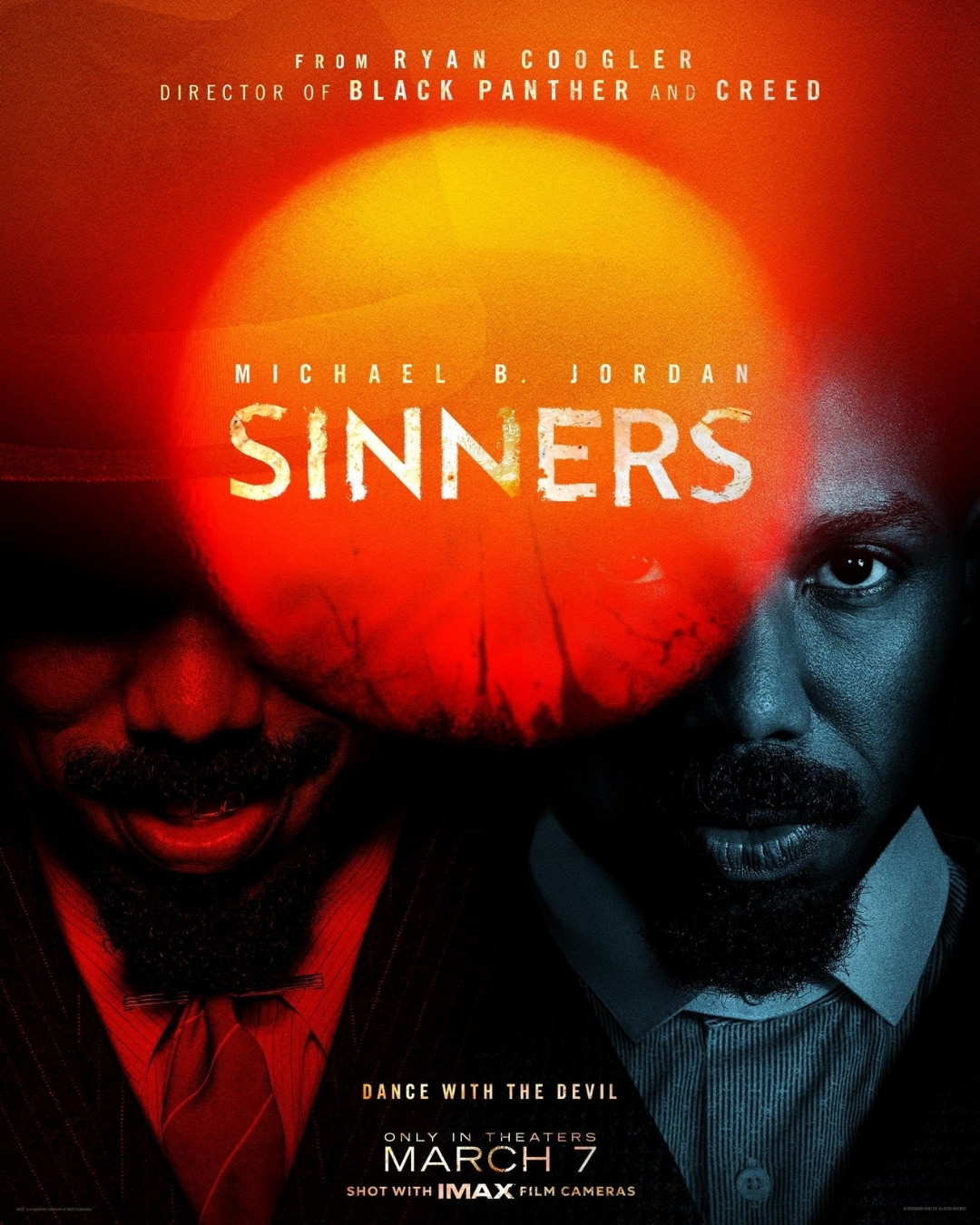

"[My wife] bought me a screenwriting software, Final Draft... I found something that I really loved."
Ryan Coogler (Sinners, Black Panther, Creed)
Find the Final Draft product
that's right for you.
Free Trial
Start your 30-day free trial!
- Keeping one for testing
New Users
Best for personal use
- Keeping one for testing
Upgrading Users
Best for current users of older Final Draft versions
- Keeping one for testing
Students
For individual teachers and students
- Keeping one for testing
Studios & Production
Right for studios & production companies
- Screenwriters
- Filmmakers
- Producers
- Graphic novelists Playwrights
- Those new to Final Draft
Educators & Non-profits
Right for schools & non-profits
- Screenwriters
- Filmmakers
- Producers
- Graphic novelists Playwrights
- Those new to Final Draft
The latest from Final Draft
What’s new
Interviews, industry news, podcasts, tips, tricks, and information you need to inspire your writing!
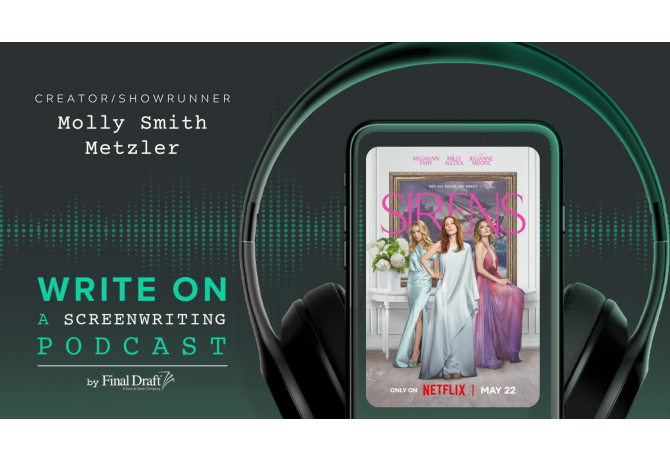

Write On: Writer/Director Benny Safdie - 'The Smashing Machine'
On today’s episode, we chat with Writer/Director/Actor/Editor, Benny Safdie, about his latest movie The Smashing Machine

How to Write a Satisfying Resolution to Your Story
The End.
For a screenwriter, there’s no better feeling than finishing that screenplay, and the pride in knowing you accomplished a difficult, often months-long task. And while the 100 pages that preceded the end are important, the resolution in a story is absolutely imperative and should be designed to stick with the audience long after they leave the theater.
As the last impression on an audience, the resolution is memorable as long as it maintains consistency with the story and makes sense in the context of the film or TV show. In order to explain the resolution there might be spoilers ahead, but I’ll try to keep those to older movies and TV shows.
While the ending of the story may go by many names, such as The Return in the Hero’s Journey, the concept we’re going to focus on comes from Freytag’s Pyramid.
Explained: Freytag’s Pyramid
For the Three-Act Structure, made famous by Syd Field’s 1979 screenwriting guide, the entire third act is considered the resolution. However, in Freytag’s Pyramid, the resolution is the final part of the story where all loose ends are tied up.
Freytag's Pyramid is a classic storytelling framework that maps a narrative arc into five parts:
Exposition Rising Action Climax Falling Action ResolutionThe resolution begins immediately after the falling action, which involves the characters processing their journey after the climax of the story. Think of resolution as the period after the end of a long sentence.
The resolution has an important role to play in the overall story. After the spectacle of the climax and the emotional exhale of the falling action, the resolution provides emotional closure, not just a narrative closure, as it indicates what the journey meant for the characters and allows the audiences to process the story as a complete experience.
A satisfying resolution doesn’t just end the plot, it gives insight into how the audience should feel about everything that came before.
An example of a resolution is in The Shawshank Redemption after the climax when Red (Morgan Freeman) reunites with Andy (Tim Robbins) on the beach. Although the plot has already concluded, the resolution delivers the thematic payoff, which includes hope and redemption.
Think about if the movie ended after the prison break or with Red living life after his parole. The resolution wouldn’t be satisfying. Without that final reunion, the story would feel incomplete, even though the central conflict has been resolved.
What is the Resolution in a Story?
The resolution is where you reveal what the story was truly about. It’s not just about the conclusion of the plot, but its meaning, and it shapes how the audience remembers everything that came before.
Everything may lead to the climax of the story, where the protagonist is forced to make their final choice based on the journey that came before, but after that, it’s up to the character to reckon with the resolution of their actions. Without character arcs, setups and themes, the resolution won’t have the meaning it should.
To emphasize: a resolution is only as strong as the setup. If the ending feels unearned or lackluster, the problem usually lies earlier in the story.
How Resolutions Tie Up Loose Ends. Or Not.
Even after all the efforts of building arcs and leading to an epic climax, the first thought is that everything should be wrapped up in a nice little bow. However, that’s not always the case. In fact, it shouldn’t always be the case.
A common misconception is that a good resolution resolves every subplot and answers every question. In practice, over-explaining can weaken the emotional impact. That being said, ambiguity can fail when it feels like avoidance rather than intention. It’s a matter of finding the resolution that works best overall.
Famously, the TV series Lost was regarded by some as having a disappointing finale. The resolution of the show had failed at answering the many mysteries that kept audiences engaged season after season. To the viewer, it felt like the creators raised questions and presented mysteries that were never intended to be answered or solved.
When a Resolution Doesn’t Work
Unfortunately, some resolutions don’t work. If so, here are the common culprits:
They contradict the story’s internal logic. If characters suddenly act differently because the writer needs to wrap things up quickly, the audience will notice the difference and feel it. They introduce new solutions too late. A last-minute twist or device that wasn’t set up can make the audience feel like they’re being cheated. They ignore the emotional arc. Even if the plot is resolved, the audience may feel disconnected if the character’s journey isn’t. Sometimes the writer has no control over this, such as if TV shows are cancelled without much notice or an actor passes away and there isn’t a way to resolve the emotional arc. Examples include the TV series Las Vegas which ended its final season with several cliffhangers because they didn’t know they were not going to be renewed. Another example is Heath Ledger’s death after filming The Dark Knight, so there was no return of the Joker in the third film.Tips for Writing a Resolution in a Story
How can you ensure your resolution lands effectively and gives you the confidence that the audience will remember the fantastic ending of your movie? Here are ways to make your resolution pay off and some examples of resolution in stories.
Pay Off What You Set Up. If your story emphasizes a particular relationship, theme or question, your resolution should address it directly. Audiences will remember what matters so if you don’t resolve it, they won’t be happy. In Cast Away, the fact that Chuck (Tom Hanks) is a Fedex employee at the beginning makes his desire to deliver the package in the resolution more meaningful. Let Character Drive the Ending. The resolution should emerge from the protagonist’s choices, not external forces. A satisfying ending happens organically from who the character has become. In Avengers: Endgame, Tony Stark’s (Robert Downey Jr.) years of being selfish and cocky makes the resolution after the epic climax more profound after he sacrifices himself for the universe. Know the Emotional Goal. What should the audience feel in the final moments? Relief? Bittersweet acceptance? Triumph? Shape the resolution around that emotional goal. In Rocky, it wasn’t a matter of winning or losing but rather Rocky (Sylvester Stallone) wanting to prove that he could go the distance against Apollo Creed (Carl Weathers). Embrace Simplicity. Resolutions don’t need to be elaborate. Often, the most powerful endings are quiet and focused. A single image or moment can carry enormous weight when properly set up. Remember the resolution of Brokeback Mountain, how powerful it was when Ennis (Heath Ledger) pulls Jack’s (Jake Gyllenhaal) shirt from his closet. Or the resolution of Butch Cassidy and the Sundance Kid when they bust the doors open to shoot it out with the Bolivian army – the film ends in a still frame of them shooting with the audio still playing. Echo the Beginning. Strong resolutions often mirror the opening in some way; visually, emotionally or thematically. This creates a sense of cohesion and completeness. Think about the circle of life in The Lion King and how the beginning with the birth of Simba (Jonathan Taylor Thomas/Matthew Broderick) echoes the ending when the animals meet again at Pride Rock.A satisfying resolution is more than writing an ending. It’s about wrapping up the story in a meaningful and memorable way. Whether you choose to tie up every loose thread or leave room for ambiguity, the key is intention in your resolution. The ending should feel appropriate based on everything that came before and meet the expectations of the story; that doesn’t mean there can’t be twists, but they must be earned.
When the resolution pays off, the audience will remember your story long after the credits roll.
4 Ways to Improve Your Chances in Screenwriting Contests
Screenwriting contests are a strategic opportunity for emerging screenwriters to have their work read by Film/TV industry professionals and decision-makers. Contests like Final Draft’s Big Break (now open for entries) give screenwriters access to industry insiders, creating opportunities for emerging writers to gain further exposure for their film, TV or short film script.
Over the past 25 years, many winners and finalists of the Big Break Screenwriting Contest have signed with agents and managers, sold and optioned their winning scripts, and been staffed in TV writers’ rooms (you can view more Big Break success stories here).
Here are some ways to increase your chances of having your script be successful in a contest.
1. Hook Readers Within the First Few Pages
A surefire way to grab the attention of the contest reader is to sink your cinematic storytelling hooks into them as quickly as possible. If you can do it from Page One, amazing. If you accomplish that within two-to-three pages, perfect. If by Page Five the general protagonist, concept, genre, and core conflict are all present, that’s even better.
Readers love a good hook, no different than an audience watching a movie or episode of a TV show. If you can hook them fast, you’re a step ahead of other submissions.
Hooking a reader early is all about presenting intrigue, character and story potential, and excitement. Some screenwriters mistake this as needing a big shock, scare, or action sequence in the beginning of the script. While having those elements do qualify as great hooks, it’s really more about getting the reader invested in the story and character early on.
The best way to accomplish that is by presenting a high level of conflict. Putting a character into a high level of conflict intrigues the reader and showcases character and story potential that will excite them enough to keep turning the pages with heightened anticipation and curiosity.
2. Know What Genre Your Script Is
It’s always helpful to really know and embrace the genre of your screenplay. Most contests these days have genre-specific categories. The readers and judges for these categories have been selected because of their background, expertise, and/or preference within those specific movie genres. Because of that, you want to select the right genre category to enter your script in. For example, you don’t want readers and judges who have no interest or experience in horror reading your terrifying horror script.
What If You Have a Blend of Genres?
Genre-blending can actually be a great thing, and another way to increase your odds in screenwriting contests. Why? Because you’re bringing in two different audience bases and two sets of audience expectations. In short, genre blends offer something for even more people.
Ghostbusters is Horror meets Comedy. Alien is Horror meets Science Fiction. Project Hail Mary is Science Fiction meets Comedy. Everything Everywhere All At Once blended Martial Arts, Science Fiction, Fantasy, and Melodrama.If your script is a perfect balance of genres, making it difficult to determine which genre category to choose, you can always enter your script into multiple genre categories as well, increasing your odds of success.
3. Do a Final Polish Draft
Before you submit your script to a contest, do one last read through and polish draft.
Remember, readers and judges aren’t just tasked with looking for the best scripts possible - they need to find the best of the best. If two scripts are being compared and considered for advancement, and one of those scripts is clearly a more polished draft, the one with fewer formatting issues will likely be the one that moves forward.
So what does a polish draft entail? Just when you think your script couldn’t be written any better, do one final read of it with a rewrite-as-you-go approach.
A dealership may have a beautiful sports car parked on the lot, waiting to be purchased. It’s sleek. The paint job is amazing. The design is near-flawless. But what stands out the most? That smudge on the hood? That smeared bug on the windshield? The bird droppings on the windows? Presentation is everything when it comes to sales.
Performing a polish draft is all about doing those final touchups to make that sports car of yours shine brighter and better - and we’re talking about the back, front, top, bottom, and inside.
As you read your script line-by-line:
Do a final check for spelling and grammatical errors. Shore up any plot holes. Trim down dialogue to its core. Edit scene description down to one-to-two sentences or fragments per block. Make sure your location sluglines are consistent.It’s all about polishing your script and trimming the fat away so you have a script that’s easy to read and even easier to visualize.
4. Make Sure Your Script is the Right Length
90-120 pages is the sweet spot for readers. An age-old Hollywood metric is the One Page=One Minute scale. While it’s a generalization, it actually ends up being fairly accurate. So a 90 page script would be a 90 minute movie, a 120 page script a two hour movie, and so on.
If the script is under 80 pages, that could be a red flag that it’s underwritten. If the script is 130 or 140 pages long, that’s a telltale sign for readers that the script is overwritten.
Here’s an insider point of view from a script reader’s perspective: the first thing a reader sometimes looks at is the page count. They’ll still read all of those pages no matter what the page count may be (as long as they stay within contest rules), but you can increase your odds of success by having readers go into the script without any red flags or natural stressors registering from the page count alone.
Trim pages however you can. And most of the time it’s not about just making a page count. It will also help your script’s pacing and readability.
Screenwriting Contests Can Open Many Doors
Contests are a powerful entry point for new writers that have yet to build a strong industry network. By following the above tips, you give your script a better chance of standing out with screenwriting contest judges.
Good Luck!
How to Make Falling Action Matter in Your Story
You’ve built the tension, increased the stakes for the protagonist and delivered a powerful climax. Now what?
Screenwriters tend to take two approaches: they either rush through the resolution or spend too much time getting there. However, falling action—the space between the climax and the final resolution—is where the story earns its emotional payoff. When done right, falling action doesn’t just wind things down; it deepens meaning, reinforces character arcs, gives audiences closure, and pushes the protagonist into their new ordinary world.
Falling action is mostly associated with Freytag’s Pyramid, which is a storytelling structure similar to the classic 3-act structure, or the Hero’s Journey.
What is Freytag’s Pyramid?
Freytag's Pyramid is a classic storytelling framework that maps a narrative arc into five parts:
Exposition Rising Action Climax Falling Action ResolutionFalling action begins immediately after the climax, and signals that the narrative is heading toward its conclusion. It gives the chance for the hero of the story, as well as the audience, to emotionally exhale after the story’s most intense moment. Without it, the narrative risks feeling abrupt or incomplete.
In the Hero’s Journey, it can be associated with the scenes after the Ordeal.
What is Falling Action?
Specifically, falling action is the portion of the story where the immediate aftermath of the climax plays out. At this point, the conflicts begin to resolve, characters process what has happened, and lingering questions start to get answered. There may even be a little journey back to where the story originated, only now, the protagonist has been on their adventure and is returning as a new person.
Falling action gives the audience time to absorb the full story and understand what it means for the characters, and acts as a bridge from the climax to the resolution.
One example of falling action comes from The Shawshank Redemption, after Red (Morgan Freeman) is released on parole. He goes through many of the same actions that Brooks (James Whitmore) had earlier in the film; only he has a goal to reunite with his friend in Mexico. Imagine if the film ended after Andy’s (Tim Robbins) escape—without the falling action, the end of the narrative would feel abrupt or incomplete.
Morgan Freeman in 'The Shawshank Redemption'What Comes Before and After Falling Action?
Just like any other part of a movie, what comes before and after a part of the story is important in telling the full story.
Before the falling action
The climax is the moment the audience has been waiting for. Everything in the story leads to this moment where the protagonist is forced to make a choice and live with the consequences. Because this is the part of the movie with the highest tension, the falling action follows as an emotional exhale.
After the falling action
This is the resolution of the story. It can be extremely short, and shows what life is like in the world after the protagonist concludes their journey.
How Long Should Falling Action Be?
There’s no fixed rule to how long falling action should take, however, it should be proportional to your story’s complexity and emotional weight.
In fast-paced genres like action or thriller, falling action may be brief. It could be a couple minutes or a few scenes. In character-driven dramas, it might be longer. The Shawshank Redemption has falling action that takes up quite a bit of time.Generally, the bigger the climax, the more space you need to process it. Think about films like Titanic or Wicked, stories that have major emotional or thematic stakes, such as loss, transformation and sacrifice. The falling action takes a lot longer than Armageddon or John Wick, which tend to be shorter.
Examples of Falling Action in Movies and TV
Titanic
The climax of Titanic comes with the sinking of the unsinkable ship and the aftermath of Rose (Kate Winslet) and Jack (Leonardo DiCaprio) in the water. The falling action, therefore, is when the older Rose completes her story in front of the treasure hunters, drops the necklace into the water, and lies down to die.
The falling action gives Rose the time needed to process her trauma and find peace in her journey of life and the audience to see how she lived the life that Jack wanted for her. The resolution comes when Rose meets up with Jack after she passes away.
Gloria Stuart in 'Titanic'The Dark Knight
The climax of The Dark Knight is when Batman (Christian Bale) finally captures the Joker (Heath Ledger) and Harvey Dent (Aaron Eckhart) completes his transition to Two-Face. The falling action occurs when Batman confronts Dent followed by Commissioner Gordon (Gary Oldman) delivering his closing speech. The falling action helps reinforce the themes of heroism and sacrifice, and the costs associated with them.
Jurassic Park
After the humans escape the raptors and the T-Rex, the falling action occurs when they escape the island and the reflection moments in the helicopter. This falling action provides the calm after the storm, and reflection after chaos.
Is Falling Action Necessary?
Traditionally, falling action is treated as an essential part of story structure. But in practice, many modern stories compress or even skip it altogether. Some writers argue that falling action can be specific to certain story arcs, particularly those that closely follow Freytag's Pyramid.
The thing is, some form of falling action usually exists even if it’s not labeled as such.
Falling Action vs. Resolution
Falling action is used for the characters and the audience to process the story The resolution is the final outcome of the story Ariana Richards, Sam Neill, and Joseph Mazzello in 'Jurassic Park'How to Write Falling Action
Here are a few tips when writing falling action.
Keep Pace with Your Story: The time it takes for your falling action to happen will be dependent on the pace of the entire story. After the climax, you shouldn’t be far from the ending, but don’t rush it. A good question to ask is, ‘Have I given this moment enough space to land emotionally?’ Tie Up Loose Ends: Falling action can help tie up loose ends. While not everything needs a neat bow, the major plot points and character arcs should be resolved. Keep track of character arcs, subplots and emotional conflicts and ensure they get resolved during the falling action. Keep the Energy Going: While the climax would be the most exciting part of the movie or TV show, it doesn’t mean you should lose the energy afterward. In fact, falling action can reveal new information, such as a final twist, deepen character relationships, answer questions or highlight consequences.Falling action can be overlooked because many writers consider it part of the resolution. However, it can be used to help bridge that moment between the climax and the resolution. The key to making it strong is intentionality. Whether it lasts one minute or several scenes, it must be relevant to the story and give the audience the space they need to process the climax. This will help leave a lasting impression.
Screenwriter Lily Houghton Talks How ‘Forbidden Fruits’ Evolved from Stage to Slasher (with Help from Diablo Cody)
Before it became one of the buzziest horror-comedy premieres at SXSW this year, Forbidden Fruits was something much smaller and less bloody: an off-Broadway play called Of the Woman Came the Beginning of Sin and Through Her We All Die. How did a play about Eve’s biblical role as temptress with no on-stage violence turn into a full-blown, blood-soaked slasher movie with witchy mallrats scraping brain matter out of their fishnet stockings? We sat down with playwright and co-screenwriter Lily Houghton to find out.
Forbidden Fruits takes place in a clothing store called Free Eden, where Apple (Lili Reinhart), leads a secret witch cult with coworkers Cherry (Victoria Pedretti), and Fig (Alexandra Shipp). When new hire Pumpkin (Lola Tung), questions their sisterhood, each member is forced to confront her inner darkness or meet violent ends. Produced by Diablo Cody, the movie is directed by Meredith Alloway with the screenplay written by Alloway and Houghton and it’s campy, devilish fun.
Lola Tung and Lili Reinhart in 'Forbidden Fruits'Shifting from Stage to Screen
Raised in New York City by parents working in nonprofit off-Broadway, Houghton grew up surrounded by playwrights like Edward Albee, Sam Shepard and August Wilson. “I really just sort of learned by being in rooms,” she says.
But even being in those rooms with such high-caliber talent, she didn’t see herself reflected.
“I’ve always been hyper-feminine and I didn’t see myself or my voice on those stages,” she says. “When I did, it was sort of dismissed as silly.”
So she started writing her own material, specifically for women like her.
“I was writing plays for my girlfriends, who had such shitty parts. It was always in relationship to men. I was way more interested in the dynamics between women.”
Houghton felt at home writing plays but when the pandemic hit, all theaters were closed. She took a risk and pivoted to writing for the screen.
“I mean, it's a totally different medium, and I had no formal training in it. And so that was just really, really lucky that all of a sudden playwrights became cool [to hire] in LA. It was not an industry I knew anything about.”
After getting an agent, she was staffed on the TV show The Body that premieres on Netflix later this year. Of course, there was a learning curve. “Theater, TV and film are so drastically different in terms of the way that things are made. I feel like with plays, I can bring in two scenes of something. And we just sort of figure it out together in a workshop process. But film and TV is a very isolated insular act.”
It was a joy to work with her director/co-writer Meredith Alloway on Forbidden Fruits because she had a similar, collaborative mentality.
“I think one of the things that was so lovely about this is we already had something to play with – the script of the play. There are scenes that are directly lifted from the script of the play, and we were able to do a verbal pitch [to film producers] and we would send that. But when we started actually writing it, we would sit with the play and really talk it through, almost as you would in a theater workshop.”
Alexandra Shipp and Lola Tung in 'Forbidden Fruits'Grief and Anger as Creative Engine
The film’s surreal, hyper-feminine retail world wasn’t just invented, Houghton lived it.
She wrote the original play while working in a clothing store. She was stationed in a basement fitting room where girly pop songs were played on a loop and employees were required to call customers “Babe” or “Love.”
At the same time, she was processing profound grief after the sudden death of her father. “I was going through a really hard time, and sort of felt this pressure to cry beautifully when actually I just was so angry.”
That mix of emotions became the thematic spine of the story. “I was kind of just depressed, and was like, what would happen if the world ended upstairs? And it was just me and these women and we created a new society together.”
That “new society” eventually evolved into the coven-like structure at the center of Forbidden Fruits: a system of rules, rituals, and power dynamics that drives both the character conflict and the horror.
Alexandra Shipp, Lili Reinhart, and Victoria Pedretti in 'Forbidden Fruits'Finding a Champion for the Weirdness
If there’s a defining moment in Forbidden Fruits’ journey from stage to screen, it’s Lily Houghton’s collaboration with Diablo Cody. For Houghton, Cody wasn’t just a producer, she was a fierce defender of the film’s unconventional instincts and Houghton’s voice.
“When we pitched it to her, her biggest thing was leaning into the weirdness and leaning into the play,” Houghton says.
When other potential producers wanted to lose the film’s more stylized elements, like monologues delivered directly to camera, Cody pushed in the opposite direction.
“Diablo said, ‘You absolutely must keep this, you have to keep the weirdness of the play.’”
Cody understood the quirkiness of the characters was the story’s power. She saw that those elements weren’t indulgent, they were the writer’s voice and something to lean into, not eschew. Cody also gave Houghton permission to add the more violent aspects that would satisfy a horror film audience.
“She was involved in every single element of it, she would give us notes all the way through and also advocate for us if there were things that other people didn’t understand,” Houghton says.
That kind of advocacy is rare. For screenwriters, having a collaborator who can both understand the material and defend it in the room can be the difference between a powerful film and one that’s just blah.
“Meeting Diablo made me feel like a writer. She looks at me and sees a writer,” Houghton says with a huge grin. It’s clear Cody made her feel seen.
In an industry that often pressures writers to conform to what’s selling in the marketplace, Cody’s guidance reinforced that a writer’s job isn’t to dumb down your work, it’s to push it as far as you can. And because Forbidden Fruits goes to the edge, it may just be the cult classic that young women need right now.
How to Write a Script in 3 Months
If you want to hit a screenplay contest deadline, or train yourself to be able to meet the kinds of deadlines you can expect to see while writing for professional contracts, you’re going to need to find a proficient plan. That plan has to be structured in a way where you can not only write fast and focused, but also write well in the process.
Look no further than our Three-Month Screenwriting Process for a well-structured plan that can keep you on task, ahead of schedule, and writing compelling and fast-paced first drafts that only need a few rewrite passes before submitting to contests or the powers that be while you’re under contract.
Why Writing Fast (and Well) Matters to Screenwriters
Pro screenwriters don’t have time to wait for inspiration. They work under tight deadlines. When you’re a pro, gone are the days of taking six months to a year or more writing one script. Pros don’t have that luxury. Assignments come with one-to-two month deadlines for a first draft. Rewrites are expected in days just a couple of weeks, sometimes less.
If you want to be a pro screenwriter, you’re going to need to prove that you can deliver quality work on demand.
Developing and writing a screenplay in three months (or less) is one of the best ways to train yourself for that reality, and it will help you earlier on in your screenwriting journey as you try to break through via major screenwriting contests and fellowships.
The Three-Month Screenwriting Process Helps With Screenwriting Contest Submissions Too
Since submitting screenplays to major screenwriting contests like Final Draft’s Big Break can be a highly effective way to get your foot in the Hollywood door, the following three-month screenwriting process can also help you make contest deadlines, which usually sneak up on most screenwriters.
The good news is that this three-month screenwriting process is completely doable for all screenwriters. You don’t have to be a seasoned veteran with multiple scripts under your belt. If you’re a first-timer, this process is simple and highly effective. If you’ve written a couple of scripts already, maybe it’s time to start learning how to write like a pro under pro deadlines.
We’re going to break this three-month process down into three parts, similar to the structure of a cinematic story. All scripts have the core base of a three-act structure.
Beginning - We’re introduced to the world, the characters, and the core conflict. Middle - The characters deal with the evolving conflict and work to find a solution. End - The story is resolved as the characters overcome all odds stacked against them and emerge triumphant (or succumb to the conflict if the story is a tragedy).With the three-month screenwriting process, you have three acts within the three-month journey.
Month One - Research and Development Month Two - The Writing Process Month Three - Rewriting and PolishingIf you follow the below process, you’ll be able to successfully finish a script within just three months, training you to write like a pro while also helping you make those “last-minute” screenwriting contest and fellowship deadlines.
Month One - Research and Development
Every great script starts long before you type FADE IN on the opening page. This first month is all about building the foundation of your script. This is your first act of the screenwriting process where you discover your world, characters, and story.
Research
The research part of Month One - usually during Week One and Week Two - is all about building your knowledgebase of your script world and feeding your creative brain.
Too many writers rush into writing pages before they truly understand the story they want to tell, leading to lackluster drafts, dead ends, writer's block, and major rewrites that are more time-consuming.
The research period of this three-month screenwriting process is the time to immerse yourself in:
Movies and TV shows within your genre Similar tones, atmospheres, and themes Stories with comparable protagonists, antagonists, and worlds Real-world elements tied to your conceptIf you’re writing a contained thriller, you should be watching contained thriller movies to look for inspiration, creative problem-solving, and also examples of what not to do.
If you’re writing a romantic comedy, you can watch successful romcoms of the past to study universal elements like structure, pacing, and character dynamics that can be implemented and tweaked for your story.
This isn’t about copying other people’s work. It’s about:
Building a creative base your imagination can work from. Finding cliches and tropes to avoid or embrace. Looking for character archetypes. Training your brain to think in the cinematic language of pacing, stakes, structure, and tone relevant to the specific story you’re about to tell.Beyond watching relevant content, you can also begin to research the world of your script. Your additional time during this first month can be spent researching:
Professions (police, doctors, lawyers, or whatever may apply to your script) Locations and environments Technology or proceduresAuthenticity makes your script more credible. Credibility keeps script readers and audiences engaged. They don’t need to know all of the specific real-world details (if any) of your story and characters, but the research you do will help to bond your dialogue, scenes, and plot points to the real world.
Development
Once your brain is full of inspiration and necessary knowledge, it’s time to shift into development mode for Week Three and Week Four.
This is usually a process that novice screenwriters skip. Don’t make that mistake.
The stronger your development process is, the faster you’ll be able to write the script, and the cleaner your first draft will be.
1. Start with the Logline
Your logline is your North Star, always there to guide you back to the core idea of your script. It’s very easy to go off-course during the writing process. Having a strong logline is key to ensuring that you stay on course.
Your logline should be short (no more than one to two sentences), sweet, and to the point. It should clearly define:
The protagonist Inciting incident Their goal The core conflict The stakesThe basic logline structure you can start from?
When [INCITING INCIDENT OCCURS]... A [CHARACTER TYPE]... Must [OBJECTIVE]... Before [STAKES].Here are some examples you can follow:
When a killer shark unleashes chaos on a beach community, a local sheriff, a marine biologist, and an old seafarer must hunt the beast down before it kills again. (Jaws) When humanity faces extinction from a mysterious threat on the surface of the sun, a lone amnesiac astronaut must rediscover his identity and use his scientific expertise to stop the threat and save humankind. (Project Hail Mary)You can then refine the logline as needed (it doesn’t need to follow the above structure to a tee). Test different versions. Make sure it’s something that can hook a reader.
2. Expand the Logline to a Short Synopsis
Next, write a three-paragraph short synopsis, with each paragraph representing the three-act structure.
First Paragraph = The Beginning Second Paragraph = The Middle Third Paragraph = The End/ClimaxRefer to the three-act structure breakdown above. Expanding your logline to a short synopsis helps you to hone in on a story window for that core concept. If your logline is your North Star, the short three-paragraph synopsis is your more accurate GPS, keeping you within a focused story window.
If you’re looking for an example, look no further than the back jacket of a paperback book - only with your version, you’re spoiling how the story ends in that third paragraph.
The short synopsis also introduces key twists, turns, and plot points.
3. Write a Beat Sheet Outline
Writing an outline is essential. Some screenwriters may have the romantic idea of finding their screenplay during the writing process. Don’t fall into that trap. Screenplays aren’t novels. When you’re writing a novel, you generally have an open canvas, free of the structural aesthetics and page constraints of a screenplay. Screenplays are blueprints for feature films, utilized by hundreds of other professionals to make that film come to life.
You need to learn how to embrace the process of writing an outline of your script. Most professional contracts require an outline, so it’s best to know how to write one. But it goes beyond that. Once you learn how to write an effective outline, you’ll find that doing so will help you write not just faster, but better.
The type of outlines that are utilized today are beat sheet outlines. Beat sheets are very similar to the age-old method of writing scenes on note cards where you write a single sentence describing a scene (the location, what characters are present, and what is happening in that scene) on a single note card, and then proceed to write additional scene note cards to assemble the story structure for a script.
Beat sheet outlines do this using a numbered bullet point form on a document where you start from the opening scene, and write nearly every scene from beginning to the end of the script using each bullet point to describe a new scene.
You can then mix, match, and reorder the scene however you would like, no different than how screenwriters would use the notecard approach.
Final Draft screenwriting software has an excellent Beat Board feature that helps you to write an effective beat sheet outline for your script. You can also just open a new document, create a numbered bullet point list, and start envisioning your script by briefly describing each scene you plan to use to tell your cinematic tale.
Your beat sheet outline should include:
Character introductions as they happen in the script Every major story beat/scene Key turning points Set pieces and sequences Emotional arcsFor every beat/bullet point, use one-to-a-few sentences to describe where the scene takes place, who is in the scene, and what is happening. When you read your eventual outline, it should read as a visual layout of your whole script from beginning to end.
Here’s an example from Star Wars of what these beats could look like:
We’re in the silence of space until a fleeing spaceship is being bombarded by weapon blasts from a pursuing gigantic enemy space ship. One blast causes a huge explosion on the hull of the fleeing ship. Within the fleeing ship, the crew reacts to the explosion, rocking them side to side. In particular, two droids (C3PO and R2D2) react and explain that the main reactor has been shut down, and there will be no escape for the princess this time. The droids and crew react to a loud sound. In space, we see the fleeing space ship floating into the belly of the enemy ship. They’ve been taken by a retractor beam. Armed crewmen react as they line up in defensive positions down a long corridor leading to an access door until the DOOR EXPLODES. Enemy STORMTROOPERS come through the now-destroyed door firing their blasters, starting a firefight that leads to multiple casualties on both sides. Down another corridor, our two droid friends maneuver through another firefight. Back by the exploded door, stormtroopers stand at attention as DARTH VADER enters. He’s a menacing figure dressed in all-black armor. He makes his way deeper into the ship with purpose.A scene-by-scene bullet point outline helps to communicate the structure and pacing of your story, allowing you the ability to make any necessary and key changes before you’ve embedded them into the actual script.
Under pro contracts the outline is essential to the collaboration process between screenwriters and development executives, producers, and directors.
But in your own development process, the outline helps you to write the skeleton of your script before you add the “meat” and texture when you get to the writing process.
By the End of Month One, You Should Have…
A strong logline A short synopsis A detailed beat sheet outlineNow you’re ready to write.
Month Two - The Writing Process
This is the second act of your three-month journey, where the work of writing begins.
The key to writing and finishing a script within three months (or less)? Writing sessions.
Ten-Page Writing Sessions
Writing in writing sessions (rather than focusing on how many minutes/hours/days you write) is one of the most effective ways to write fast, and write well.
Here’s the approach:
Write in focused sessions with no time goals Aim to write 10 pages each session Before you write another 10 pages, read the prior pages you’ve written (read more on that below). This helps you to stay on the same page with yourself each time. As you read previous pages, tweak them as needed. This helps you to rewrite the script as you go. Even when you’re ready to start writing Page 51, you should read the previous 50 pages before you do.If you write 10 pages per writing session, you can complete a 100-page (give or take) screenplay in just 10 writing sessions throughout Month Two of this three-month screenwriting process.
10 pages per writing session may sound intimidating at first, but it’s easier than you think, especially with your outline in hand. And before you consider breaking any records by writing 30 pages or more per writing session, it’s best to keep it to 10 pages (give or take one or two) so you leave each writing session wanting to write more. This will help fuel you to stay engaged in the writing process, and also help you avoid writer’s block and burnout.
What Does the Ten-Page Writing Process Do for You?
It helps you to write faster, and ensure that you finish the script in a timely manner. It also takes away the pressure of feeling the need to write for huge blocks of time.
When you focus on writing sessions, there’s no time limit. You can certainly spend eight hours during one session. But you can also write ten pages in an hour if you have already outlined what you’re going to write for the next writing session.
By the End of Month Two, You Should Have…
A complete first draft Roughly 90-110 pages, which is the sweet spot for spec scriptsThis second month obviously leaves extra time. When you finish that script by the end of 10 writing sessions, you can feel free to do another read of what will be the whole first draft. Tweak and refine as you go, and then put the script away for a week or two. Give yourself time to be able to do that. This step is a vital one as you go into Month Three.
Don’t look at the script, don’t talk about it, don’t think about it, don’t share it with anyone. Take a short vacation from it. This will help you approach the script objectively as you move into the next step of writing.
Month Three - Rewriting and Polishing
Now comes the third act of your three-month screenwriting process, where good scripts become great ones. Rewriting is where the magic happens. Luckily, you’ve been rewriting and refining your script throughout the whole process so far already. Now’s the time to make your script really shine.
Read Your Script as a Reader
Now is the time to open that script up again after your one-to-two week break, sit down, and read it from beginning to end. No stopping. No editing. Just experience the script from a reader’s perspective.
Ask yourself:
Does the story flow? Are there slow sections that halt the momentum? Are the stakes clear and high enough? Do the characters feel consistent? Does the dialogue drag or pop?You can take notes as you go, but resist rewriting on this first read. After that, it’s time to roll up your creative sleeves and get to work.
1. First Rewrite Pass - The Big Picture
This is the big picture rewrite where you need to address structure, character arcs, pacing, and stakes. Don’t get lost in dialogue tweaks yet. This is all about giving a pass on the big picture of your script.
This first pass you can do within a few days.
2. Second Rewrite Pass - Plants, Playoffs, and Foreshadowing
This is probably the most fun rewrite pass because you get to pepper your script with creative plants, payoffs, and foreshadowing. Script readers get bored. If your script is routine and bland, they’re not going to hand it up to their bosses. But if they see creative plot, story, and character plants that are later paid off in the script, they’re going to take notice of that.
Find ways to accomplish this throughout your scripts, both with A and B stories and stories and characters, as well as C stories and characters.
Once again, you can take a few days to do this.
3. Third Rewrite Pass - Cut the Fat and “Kill Your Darlings”
Your script needs to shed some weight. Hollywood wants lean and mean muscle machines for spec scripts. Those are the types of scripts that are memorable reads where no line of dialogue or scene/sequence is a waste. Dive into your script and see what absolutely doesn’t need to be there.
Anything that stops the flow of your story needs to go, even if you’re cutting great dialogue or amazing scenes. If they don’t serve the story and keep the pacing going, they need to go.
A few days on this pass will do the trick.
4. Fourth Rewrite Pass - The Polish Draft
You now have a sleek, lean, fast, and furious machine rolling off of the line. But you’re not done just yet. It’s time to polish any tiny scuffs, no matter how small.
Do a dialogue trim and make sure every word is there for a reason. Check your format and make sure it’s not overly busy. Run a spelling and grammar check. Remove unnecessary exposition.By the End of Month Three, You Should Have…
A polished draft ready for screenplay contest submission You’ll also have a strong logline and short synopsis for any networking opportunities.Congratulations! You’re Writing Like a Pro Now and Making Those Deadlines
Whether you’re racing toward a contest deadline or training yourself to write under pro deadlines, if you commit to this process, you’ll build habits that will make you a better and more proficient screenwriter.
‘Mike & Nick & Nick & Alice’: Filmmaker BenDavid Grabinski Talks Time-Travel Movie That’s Really About Character
Yes, Mike & Nick & Nick & Alice, involves a time machine. Yes, it’s packed with action, comedy, and chaos. But for Grabinski, who co-created Netflix’s Scott Pilgrim Takes Off, the real engine of the story isn’t the sci-fi: it’s the emotional and comedic potential of a character forced to confront a version of himself with whom he has some big issues.
We sat down with writer/director BenDavid Grabinski to find out how he combined all these elements to make a highly satisfying, fun movie starring Vince Vaughn, James Marsden and Eiza Gonzalez.
Turning Time Travel into Character Conflict
We asked Grabinski what inspired him to write a total genre mashup. “I wanted to make a buddy action comedy I hadn’t seen before, and I wanted to make a time travel movie with a bunch of lovable idiots who aren’t scientists.”
Grabinski admits he’s not a research guy and wasn’t interested in a rules-based exploration of time travel mechanics like worm holes or infinite universes. Instead, he was excited to experiment with people pre and post their character arcs. Surprisingly, he says he was inspired by Ebenezer Scrooge from Charles Dickens’s A Christmas Carol.
“I felt like it would be really interesting to see Scrooge at the end of the story having to deal with Scrooge at the beginning of the story,” he says. “An enlightened version of a character having to deal with a less enlightened version.”
That idea, essentially pitting first-act Scrooge against third-act Scrooge, became the main dramatic device in Mike & Nick & Nick & Alice. Putting together two versions of the same character, Present Nick (Vince Vaughn) and Future Nick (also Vince Vaughn), you get enormous tension.
It’s a deceptively simple construct, but one that’s comedic (because of the absurdity) and dramatic (because of the life and death stakes). It’s also psychological because it explores the idea that we are our own worst enemies.
For Grabinski, that’s the real function of the time machine.
“The time machine is a device to create the emotional thing of, ‘What if you could try to get your younger self to get their shit together,’” he says. “You do the time machine so you can have the emotional and comedic conflict, not because time travel is fun.”
It’s a philosophy that aligns with some of the most enduring genre films. Grabinski points to Back to the Future as an example.
“The time travel in that movie is just so you can see what it would be like to hang out with the 16-year-old version of your dad,” he says. “It’s a way to create a dramatic or comedic function.”
The “One Night” Structure
Once Grabinski had the central dynamic, he needed a structure that could hold it all together in a way that made sense and was satisfying. His solution was to use the “one night gone wrong” framework.
“I thought the thing that would make it simpler and contained is making a one-night movie,” he says. “A bunch of characters who have to survive the night. Will they still be alive in the morning? Will they resolve their differences by the time the sun comes up?”
It’s a classic structural device that naturally creates urgency, escalation, and momentum. By compressing the timeline, Grabinski ensures that every decision carries immediate consequences, and that the narrative drive never stalls.
For writers, it’s a reminder that when you’re juggling multiple genres like action, comedy, sci-fi, constraint can be your best ally.
Eiza González in 'Mike & Nick & Nick & Alice'Writing Two Versions of a Character
On the page, writing two versions of the same character might seem like a logistical challenge. For Grabinski, it was a blast.
“The dynamics you get with yourself are funny and relatable,” he says. “There’s no one you have more conflict with than yourself. As they say, you’re your own worst enemy and that’s great for entertainment.”
By leaning into that idea, Grabinski avoids one of the common pitfalls of high-concept writing: relying on external stakes without anchoring them in personal stakes.
Eiza González, James Marsden, Vince Vaughn in 'Mike & Nick & Nick & Alice'A Good Read Vs. the Shooting Draft
Grabinski told us how he encountered an unexpected problem during production that illustrates the difference between writing a script that makes an entertaining read and writing an effective shooting script.
In the screenplay, he intentionally withheld the reveal that a character was Future Nick, labeling him simply as “Nick” to preserve the surprise for the reader. It worked on the page, but not on set.
“We had a scene where Vince Vaughn got put in the wrong costume,” Grabinski says. “And I was like, how did this happen? And then I realized – it’s because of how I wrote it.”
Because the film was shot out of order, the ambiguity that made the script engaging became a liability for the crew.
“The script is designed to be as entertaining as possible. But once you’re shooting, it’s a functional blueprint designed to get departments to do the correct thing,” he says, adding, “The next movie I make, I’m going to rewrite the script into something much more boring just to make sure there’s no room for error.”
At the end of the day, the draft that sells the movie and the shooting draft are not always the same document.
James Marsden in 'Mike & Nick & Nick & Alice'Maintaining Tone Across Genres
With a film that blends action, comedy, and sci-fi, tonal consistency becomes one of the more difficult but most important tasks. For Grabinski, there’s no formula.
“It’s really your gut,” he says. “Sometimes something might be too funny, so you’re not going to get the emotional catharsis. Sometimes something might be so emotional that it feels a little ham-fisted, so you want to undercut it.”
The key is balance across the entire film.
“It’s about what is the most engaging thing in the moment that also doesn’t feel like it’s violating the world you created,” he says, adding, “I didn’t want to make something that feels unhinged. The movie is insane in a way that I hope is charming but it’s not haphazard.”
Building a North Star
If there’s a single takeaway from Grabinski’s process, it’s the importance of having a clear internal compass.
“You have to have your own internal North Star of what you’re trying to do,” he says. “Otherwise, it’s just chaos.”
In Mike & Nick & Nick & Alice, that guiding principle is to use every tool from time travel, to action and comedy to explore character. Because at the end of the night, the question isn’t just whether these characters will survive. It’s whether they’ve changed.
Mike & Nick & Nick & Alice is currently streaming on Hulu.